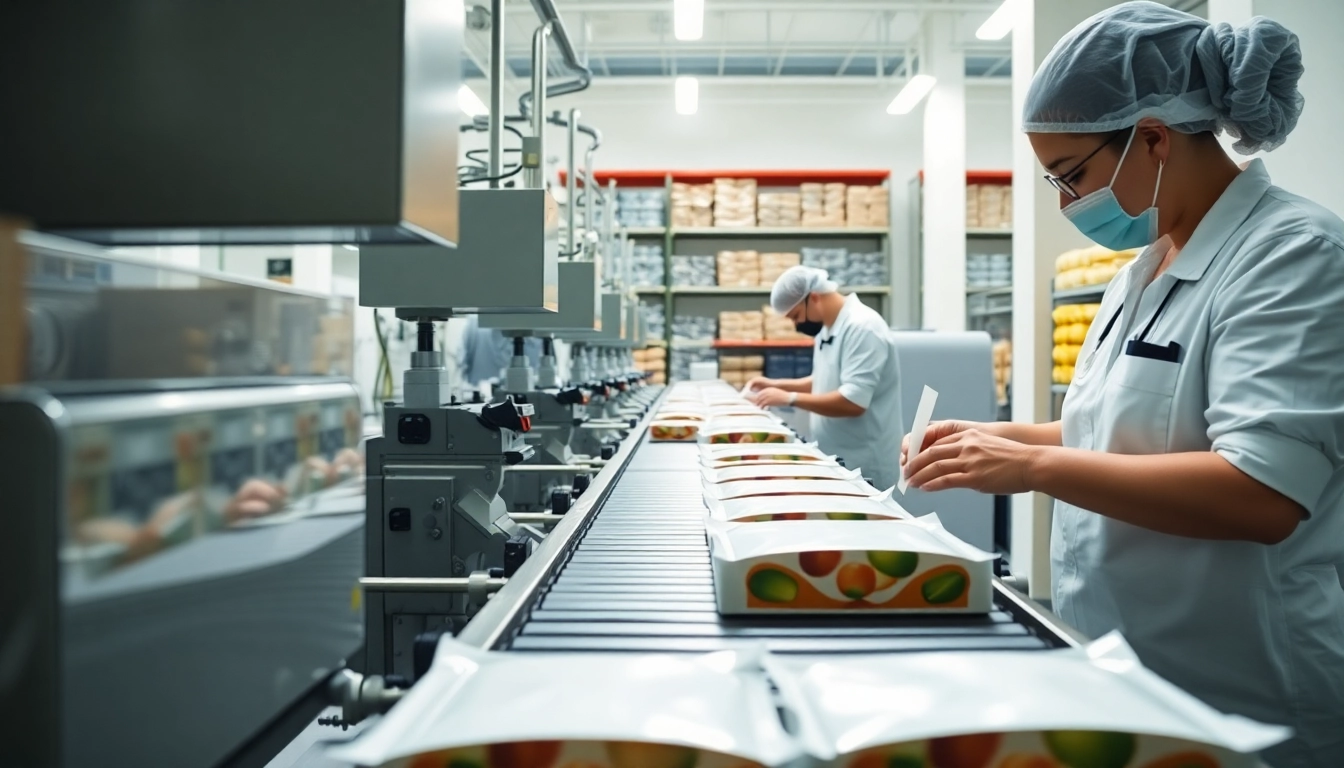
The Essentials of Food Contract Packaging
In today's competitive marketplace, businesses are constantly seeking ways to optimize their operations and reduce costs. One of the most effective strategies lies in food contract packaging, a system that allows companies to outsource their packaging needs to specialized third-party providers. Through this collaboration, businesses can focus on their core competencies while ensuring that their products are packaged efficiently and beautifully. food contract packaging presents a plethora of opportunities for companies across the food industry to enhance product quality, streamline logistics, and ultimately deliver greater value to consumers.
What is Food Contract Packaging?
Food contract packaging refers to the practice of hiring a third-party company to handle product packaging for food items. This can include a variety of services, such as bottling, canning, labeling, and assembling. The primary advantage of utilizing a co-packer lies in access to expertise, specialized equipment, and efficient processes that may be costly or impractical for individual businesses to maintain in-house.
Key Benefits of Food Contract Packaging
The benefits of engaging in food contract packaging are numerous and impactful:
- Cost Efficiency: Outsourcing packaging reduces overhead costs associated with labor, equipment, and raw materials.
- Expertise and Quality: Co-packers provide specialized knowledge and experience that can enhance the overall packaging quality.
- Flexibility: Businesses can scale their production up or down based on demand without needing to invest in additional infrastructure.
- Focus on Core Business: Companies can concentrate on their primary operations, such as production and marketing, while leaving packaging to the experts.
- Access to Advanced Technology: Many co-packers use state-of-the-art equipment, enabling businesses to leverage the latest packaging innovations.
Typical Services Offered in Food Contract Packaging
Food contract packaging services vary widely, allowing companies to select options that best meet their needs. Some common offerings include:
- Bottling and Canning: Filling liquids or semi-solids into bottles or cans, often with options for different sizes and materials.
- Pouch and Bag Filling: Sealing food products in flexible pouches or bags, which can also include vacuum sealing for freshness.
- Labeling: Applying custom labels that meet branding and regulatory requirements.
- Bundling and Kitting: Combining multiple products into a single package or kit, enhancing convenience for retailers and consumers.
- Shrink Wrapping: Using heat to encase products in plastic for added protection and shelf appeal.
Choosing the Right Partner for Food Contract Packaging
Selecting the right co-packer is crucial for the success of any food packaging strategy. The right partner can significantly impact the efficiency, cost, and quality of the packaged products.
Factors to Consider When Selecting a Co-Packer
When evaluating potential co-packers, consider the following factors:
- Experience and Expertise: Look for a co-packer with a proven track record in the food industry, particularly with products similar to yours.
- Facility Certification: Ensure the facility meets necessary certifications, such as FDA compliance or USDA approval, depending on the product type.
- Range of Services: Determine if the co-packer offers the specific services you need, from packaging types to distribution capabilities.
- Production Capacity: Assess whether the co-packer can handle your production needs, particularly during peak seasons.
- Geographical Location: Proximity can affect shipping costs and delivery times, so consider local co-packers when possible.
Questions to Ask Potential Partners
To ensure you find the best partner for your food contract packaging needs, pose the following questions during the selection process:
- What certifications do you have related to food safety and quality?
- Please describe your capacity and equipment used for food packaging.
- How do you handle customer complaints and ensure quality control?
- What are your lead times for production and delivery?
- Can you provide references or case studies from other clients?
Evaluating Experience and Capabilities
When assessing potential co-packers, it’s important to thoroughly review their experience and capabilities. This can involve site visits, discussions with past clients, and careful analysis of their historical performance metrics. Look for co-packers that demonstrate a deep understanding of the food packaging market and can provide solutions for challenges specific to your product category.
Best Practices in Food Contract Packaging
Implementing best practices in contract packaging can enhance the efficiency and quality of your products, delivering a smooth experience for both producers and consumers.
Ensuring Compliance and Safety Standards
To maintain the highest levels of product safety, ensure that your co-packer adheres to all relevant regulations and industry standards. Regular audits, employee training, and thorough documentation are essential components of a compliant food packaging operation. Additionally, assess how the co-packer implements quality assurance measures at each stage of the packaging process.
Optimizing Packaging for Supply Chain Efficiency
Efficiency in the packaging process can significantly affect your supply chain performance. Collaborate with your co-packer to streamline packaging designs that minimize material waste and simplify logistics. For example, utilizing space-efficient packaging can reduce shipping costs and enhance load planning. Leveraging just-in-time inventory techniques with your co-packer also improves responsiveness to market demands.
Leveraging Technology in Packaging Processes
The integration of technology into food contract packaging helps improve both speed and accuracy. Consider co-packers who utilize automation in their processes, such as robotic packing systems or intelligent inventory management software. Investing in smart packaging solutions, like QR codes and smart labels, can also enhance consumer engagement and provide valuable product traceability.
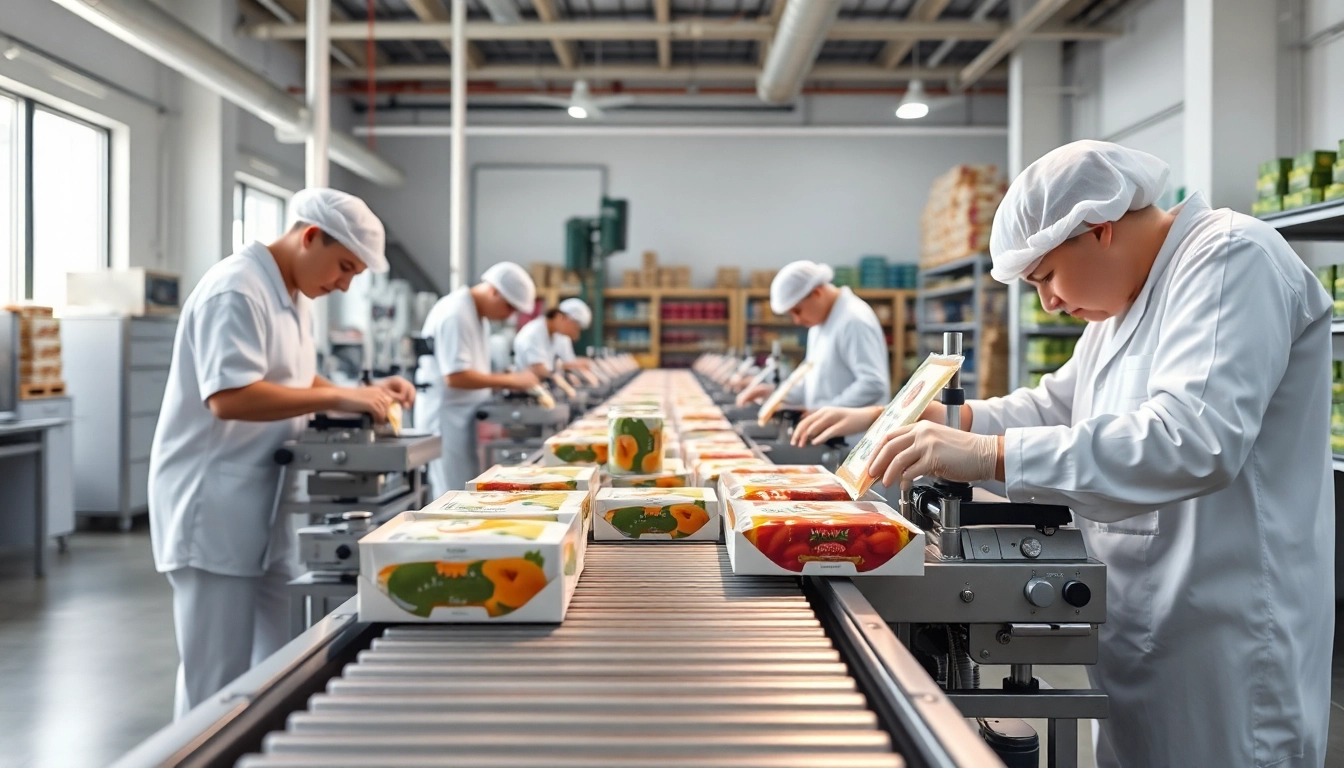
Cost Considerations in Food Contract Packaging
Understanding the cost structure of food contract packaging is vital for budgeting and pricing strategies. Businesses need to be fully aware of the financial implications of their packaging decisions.
Understanding Pricing Structures
Pricing in food contract packaging typically varies based on several factors, including product type, packaging complexity, volume, and customization levels. It’s important to request detailed quotes and breakdowns from potential co-packers to ensure budget alignment. Look for partnerships that provide stable pricing and avoid hidden fees to ensure cost efficiency.
Budgeting for Long-term Partnership
When budgeting for packaging services, consider not only immediate costs but also the long-term impact on the business. A well-conceived budget should account for fluctuations in production volume and potential future needs as the business scales. Establishing a long-term relationship with your co-packer may yield cost benefits for future projects.
Evaluating Cost vs. Value in Packaging Choices
Investing in cost-effective packaging doesn’t always equate to lower quality. Assessing the overall value of packaging choices—including brand image, consumer perception, and durability—can guide better decision-making. Often, a slightly higher investment may lead to enhanced product marketability and increased consumer loyalty.
Future Trends in Food Contract Packaging
The landscape of food contract packaging continues to evolve, influenced by advancements in technology, sustainability practices, and changing consumer preferences. Staying abreast of these trends is essential for any business looking to remain competitive.
Innovations Shaping the Packaging Industry
Emerging technologies, such as blockchain for traceability and advanced materials for packaging, are significantly reshaping how products are packaged and marketed. Innovations like eco-friendly packaging options and automated packing lines enhance operational efficiency and sustainability efforts. Businesses should explore these innovations to stay relevant and meet consumer demands.
Sustainability in Food Contract Packaging
Sustainability has become a core focus in the food packaging sector. Consumers are increasingly seeking eco-friendly packaging solutions. Co-packers that emphasize recyclable, biodegradable, or reusable materials can attract more environmentally-conscious consumers. Engaging in sustainability initiatives not only aids in brand differentiation but also contributes positively to environmental stewardship.
Consumer Preferences Driving Change
Today’s consumers are more informed and vocal about their preferences. Changes in diet, health consciousness, and convenience dictate shifts in packaging demands. Packaging that enhances user experience, such as easy-open designs or resealable features, is increasingly sought after. Understanding these consumer trends allows businesses to tailor their packaging strategies effectively.
FAQs about Food Contract Packaging
1. What is food contract packaging?
Food contract packaging is outsourcing the packaging process to a third-party service provider that specializes in packaging food products.
2. Why should I consider a co-packer?
Using a co-packer allows businesses to focus on their core operations, while benefiting from expertise and specialized equipment for efficient packaging.
3. What services do co-packers typically offer?
Common services include bottling, canning, labeling, pouch filling, shrink wrapping, and kitting, allowing for diverse packaging options.
4. How do I choose a reliable co-packer?
Evaluate potential partners based on experience, certifications, capacity, services offered, and their reputation in the industry.
5. What are the benefits of sustainable packaging?
Sustainable packaging enhances brand perception, attracts eco-conscious consumers, and often leads to cost savings through materials reduction and recycling.