Understanding Ceramic Heaters
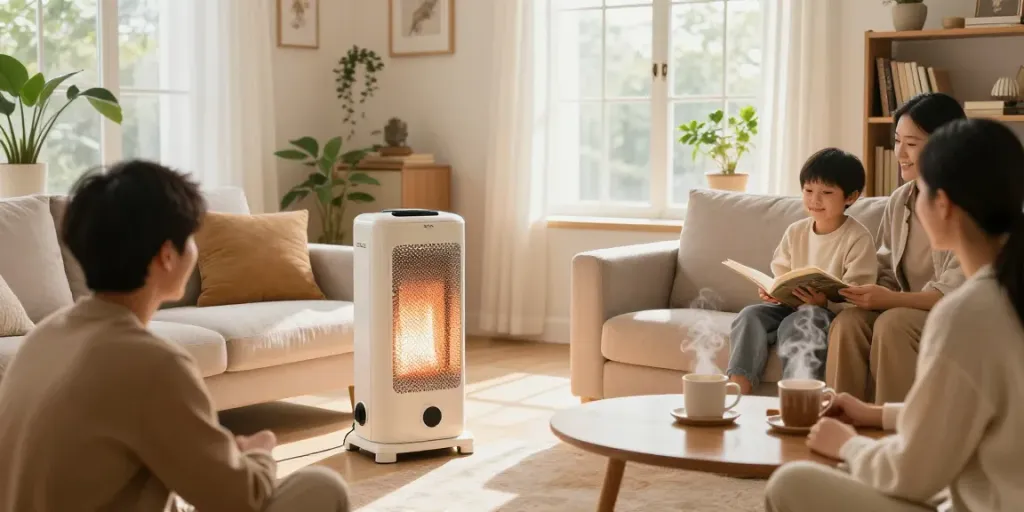
Ceramic heaters have emerged as one of the most efficient and effective heating solutions for modern homes. These electric heating devices utilize advanced materials and technology to provide warmth with minimal energy consumption. When exploring options, ceramic heater systems can offer significant advantages over traditional heating methods. This article delves into how ceramic heaters work, their benefits, costs, and a guide to making an informed purchase decision.
What is a Ceramic Heater?
A ceramic heater is a type of electric heater that employs a ceramic heating element, which operates through electrical resistance. Unlike traditional heating methods that primarily rely on combustion or liquid fluids, ceramic heaters utilize ceramic materials to generate and emit heat efficiently. These heaters provide a comfortable level of warmth while using less energy, making them a popular choice for both home and office environments.
How Ceramic Heaters Operate
The operation of ceramic heaters is based on a fundamental principle known as resistive heating. When electricity flows through the ceramic element, it heats up rapidly due to the material's properties. The heat produced is then emitted into the surrounding air via conduction, convection, and thermal radiation, resulting in quick room warming. This ability to provide immediate warmth is particularly beneficial in spaces that require prompt heating.
Benefits of Using Ceramic Heaters
- Energy Efficiency: Ceramics can achieve high thermal efficiency by converting nearly all the electricity into heat with minimal losses.
- Rapid Heating: Ceramic elements heat up quickly, allowing for immediate warmth without long waiting times.
- Portability: Many ceramic heaters are lightweight and come in various designs, making them easy to move from one room to another.
- Quiet Operation: Unlike fan-driven heaters, many models operate silently, making them suitable for bedrooms and offices.
Types of Ceramic Heaters
Freestanding vs. Wall-Mounted Models
Ceramic heaters come in various forms, the most common being freestanding and wall-mounted models. Freestanding heaters are portable and ideal for temporary heating solutions, allowing flexibility and adaptability to different spaces. These models can be easily placed wherever additional warmth is needed. In contrast, wall-mounted models provide a permanent heating solution, conserving floor space and offering a cleaner aesthetic. This type is excellent for smaller rooms where every square foot counts.
Ceramic Fan Heaters: Pros and Cons
Ceramic fan heaters combine the efficient heating properties of ceramic with the active circulation of air via a fan. While they can quickly distribute warmth throughout a room, they may introduce noise, which can be a drawback in quiet environments. Users should weigh the benefits of rapid heating and air distribution against the noise factor when deciding if a ceramic fan heater is the right choice for them.
Smart Ceramic Heaters: Wi-Fi Integration
Advancements in technology have led to the emergence of smart ceramic heaters equipped with Wi-Fi connectivity. These innovative models can be controlled remotely via smartphone apps, allowing users to schedule heating times, adjust temperatures, and even monitor energy usage. This level of control can enhance energy savings and improve comfort by ensuring rooms are warmed before occupancy.
Cost Analysis of Ceramic Heaters
Initial Purchase vs. Long-Term Savings
The initial purchase cost of ceramic heaters can vary widely based on features, design, and brand. While some models may have a higher upfront price, their energy efficiency often leads to significant long-term savings on electricity bills. It's essential for consumers to consider both the purchase price and potential operational costs to determine the best overall value.
Electricity Usage: Are They Cost-Effective?
Ceramic heaters are generally considered cost-effective due to their efficient electricity usage. Since they can convert nearly all electricity into heat, users can expect lower energy consumption compared to traditional heating methods. The actual cost will depend on factors such as the heater's wattage, the duration of use, and the local electricity rates, but many users find that ceramic heaters are economical options for supplementary or primary heating.
Comparing Ceramic Heaters to Other Heating Types
When comparing ceramic heaters with other heating types, such as oil-filled radiators or gas heaters, several factors come into play. Ceramic heaters excel in speed and efficiency, often warming up spaces faster while consuming less energy. Conversely, oil-filled heaters may provide a more extended, consistent heat but take longer to warm up. Evaluating personal needs, room size, and heating preferences is crucial in selecting the appropriate heating mechanism.
Installation and Maintenance
How to Properly Install a Ceramic Heater
Installation of ceramic heaters is typically straightforward, especially for freestanding models that require no installation. Wall-mounted models may need more consideration regarding wall type and proper mounting techniques. Ensuring the heater is securely fixed and complying with electrical safety standards is essential for safe operation.
Safety Tips for Using Ceramic Heaters
Safety is paramount when using ceramic heaters. Users should maintain a safe distance from flammable materials, avoid overloading electrical circuits, and regularly inspect the heater for any signs of wear or damage. Additionally, utilizing built-in safety features such as tip-over and overheat protection can further enhance safety when operating ceramic heaters.
Maintenance Guidelines for Longevity
Proper maintenance can significantly extend the life of a ceramic heater. Regular cleaning to remove dust and debris, checking electrical connections, and ensuring that the heater is kept in a well-ventilated area are all vital for optimal performance. Users are encouraged to refer to the manufacturer's guidelines for specific maintenance instructions relevant to their heater model.
Making the Right Choice
Factors to Consider When Choosing a Ceramic Heater
When selecting a ceramic heater, consider factors such as room size, heating needs, and desired features. Understanding wattage requirements, as well as looking for models with programmable settings and energy-efficient designs, can help ensure the best fit for individual heating needs.
Common Myths about Ceramic Heaters
There are several myths regarding ceramic heaters that can lead to confusion. One common myth is that all ceramic heaters are energy-efficient; in reality, efficiency can vary significantly between models. Additionally, some believe that ceramic heaters can overheat or are inherently dangerous, but many modern models incorporate safety features designed to prevent such risks.
FAQs about Ceramic Heaters
Do ceramic heaters use a lot of electricity?
Ceramic heaters can be economical to operate; they utilize electricity efficiently, leading to lower bills compared to other electric heating options. Their actual electricity usage will depend on the heater's wattage and how long it runs, but many users report savings.
What are the disadvantages of a ceramic heater?
Some disadvantages of ceramic heaters may include potential noise from fan models and the need for periodic maintenance. Additionally, while many are energy-efficient, the upfront cost can be higher than traditional heating options.
Are ceramic heaters better for health?
Ceramic heaters are generally considered safe and can be beneficial for health as they provide consistent, even heating without drying out the air. However, individuals with specific respiratory conditions should monitor air quality when using any heating device.
Can ceramic heaters be left on overnight?
Most ceramic heaters are designed for safe, continuous operation, but it’s essential to ensure that they are placed away from flammable materials and are equipped with safety features. Using a timer or programmable settings can help minimize risks.
How to achieve maximum efficiency with ceramic heaters?
To maximize efficiency, ensure proper sizing of the heater for the space, utilize programmable settings, and maintain good insulation within the room. Regular maintenance and cleaning can also help maintain optimal performance.