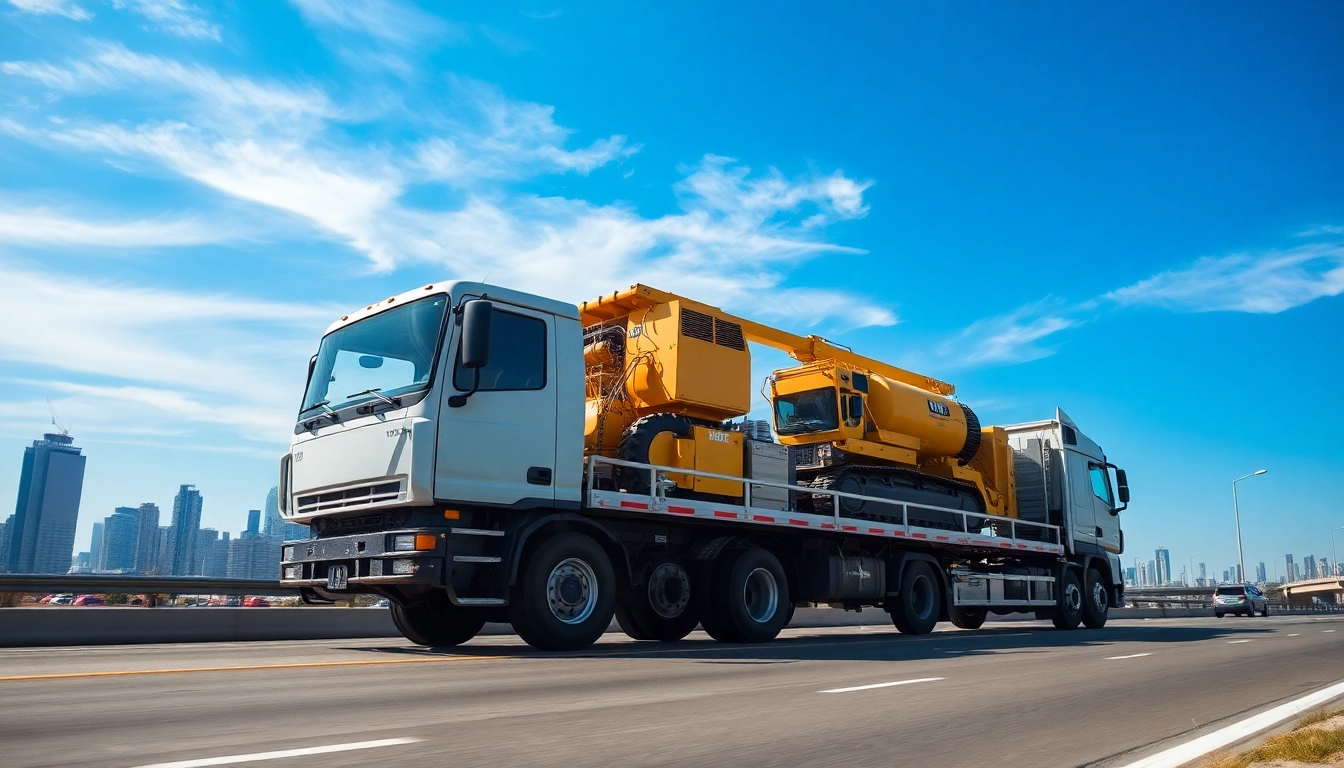
Understanding Equipment Hailing
What is Equipment Hailing?
Equipment hailing refers to the process of engaging a transportation service for heavy machinery and equipment. This specialized transport method is crucial for industries such as construction, agriculture, and manufacturing, facilitating the movement of oversized and heavy loads from one location to another. Equipment hailing ensures that the hauling complies with regulatory standards and is handled by professionals who understand the nuances of transporting such valuable assets. Whether you need to transport construction machinery or farming equipment, reliable equipment hailing services are essential for maintaining operational efficiency.
Types of Equipment Suitable for Hailing
A variety of equipment can be hailing transported, including but not limited to:
- Construction machinery: bulldozers, excavators, cranes
- Agricultural equipment: tractors, harvesters, combines
- Heavy industrial machinery: generators, compressors, CNC machines
- Specialized vehicles: concrete pumps, tree spades
These types of equipment may vary significantly in size and weight, necessitating the use of specialized trailers and transport vehicles to ensure safe and compliant transport.
Benefits of Professional Equipment Hailing
Opting for professional equipment hailing offers numerous advantages, such as:
- Safety: Experts in equipment hailing understand the risks and challenges of transporting heavy machinery, ensuring that all safety protocols are followed.
- Efficiency: Professionals utilize the right logistics and equipment, making the transport process faster and more reliable.
- Compliance: A reputable hailing provider ensures that all necessary permits and regulations are adhered to, minimizing legal issues.
- Cost-effectiveness: Utilizing specialized transport can often reduce damage and delays, providing better overall value.
Choosing the Right Equipment Hailing Provider
Key Qualities to Look for in a Hauling Company
When selecting an equipment hailing provider, consider the following qualities:
- Experience: Look for companies with a proven track record in transporting similar types of equipment.
- Specialized Equipment: Ensure the provider has the right trailers and vehicles for your specific machinery.
- Insurance Coverage: Choose a company with adequate insurance to protect your equipment during transport.
- Reputation: Check reviews and testimonials to gauge customer satisfaction and service reliability.
Important Factors to Consider Before Hiring
Before engaging an equipment hailing provider, keep in mind:
- Cost: Obtain detailed quotes and understand what is included in the cost. Look out for hidden fees.
- Availability: Ensure that the service can accommodate your schedule and has the necessary resources available when you need them.
- Service Area: Confirm that the company operates in your desired geographical locations without restrictions.
- Customer Service: Assess their responsiveness and willingness to answer your queries, which are crucial when facing logistical challenges.
How to Evaluate Cost-Effectiveness
To assess the cost-effectiveness of an equipment hailing service, consider the following steps:
- Compare quotes from multiple providers, ensuring that you're comparing like services.
- Analyze the weight-to-cost ratio. A lower price may not be the best option if it compromises quality and safety.
- Review the potential for damage and delays. The cost of insurance and repair can add to the total project expenses.
- Consider the overall reliability and efficiency of the provider over time, as investing in a reputable service may save money in the long run.
Safety Protocols in Equipment Hailing
Essential Safety Measures for Transporting Equipment
Safety is paramount in equipment hailing. The following measures are essential:
- Load Securement: Ensure that all equipment is securely fastened to prevent shifting during transport.
- Weight Distribution: Properly distribute the weight on trailers to maintain stability and control.
- Regular Inspections: Conduct pre-transport inspections on both the equipment and transport vehicle to identify any issues.
- Driver Training: Ensure that drivers are appropriately trained for operating and transporting heavy equipment.
Understanding Insurance Requirements
Insurance plays a critical role in equipment hailing. Ensure you understand the following:
- Coverage Types: Check for liability, cargo, and workers' compensation insurance to protect against accidents.
- Policy Limits: Understand the limits of each policy, ensuring it is sufficient to cover potential losses.
- Additional Coverage: Consider additional coverage options for high-value or specialized machinery.
Best Practices to Ensure Safety
Adopting best practices can enhance safety during equipment hailing:
- Use GPS tracking for real-time updates on transport progress.
- Establish clear communication channels between the provider and the equipment owner.
- Create a contingency plan for emergencies, ensuring all parties are informed of procedures.
Common Challenges in Equipment Hailing
Potential Risks and How to Mitigate Them
Equipment hailing faces several challenges, including:
- Equipment Damage: Mitigate this risk by ensuring proper securing and cushioning of the load.
- Regulatory Compliance: Stay up-to-date with transportation regulations to avoid fines or delays.
- Driver Errors: Increase driver training and assessment to prevent operational mishaps.
Handling Delays in Equipment Transport
Delays can occur due to various reasons. Effective strategies to manage these include:
- Real-Time Visibility: Implement GPS tracking systems to monitor transport progress and delays.
- Clear Communication: Keep open lines of communication between all stakeholders, informing them about any changes or delays.
- Flexible Scheduling: Incorporate buffer times in your schedule to accommodate potential transport delays.
Dealing with Weather Conditions
Adverse weather can significantly affect equipment hailing. To counter this, consider:
- Weather Monitoring: Use forecasting tools to monitor weather conditions along the transport route.
- Alter Routes: Have contingency routes planned to avoid inclement weather areas.
- Delay Decisions: Don't rush transport during poor weather conditions; prioritize safety.
Future Trends in Equipment Hailing
Technology's Impact on Equipment Hailing
Technology is transforming the equipment hailing landscape through:
- Automation: Automated systems can streamline communication and tracking of equipment during transport.
- Telematics: Enhanced vehicle monitoring systems provide real-time insights on vehicle performance and load status.
- Advanced Safety Features: Innovations such as collision detection systems improve safety during transport.
Emerging Practices in the Industry
New practices are emerging to enhance equipment hailing, including:
- Green Transport Solutions: Increased focus on sustainable transport methods and eco-friendly vehicles.
- Data Analysis: Utilizing data to predict demand and improve logistics efficiency.
- Collaborative Platforms: Emerging platforms promote collaboration between shippers, carriers, and equipment owners, leading to optimized operations.
What to Expect in Equipment Transport Innovations
The future of equipment transport will likely include:
- Increased Use of Drones: Potential for drones to assist in planning and monitoring equipment delivery.
- Blockchain for Logistics: Enhanced transparency and security in equipment tracking and documentation.
- Robotics in Loading/Unloading: Automation will play a role in minimizing labor costs and maximizing efficiency and safety.
Frequently Asked Questions (FAQs)
1. What determines the cost of equipment hailing?
Costs vary based on distance, size and weight of equipment, and type of transport needed. Locally, costs can range from $150–$500, while long distances may exceed $2,000.
2. How can I ensure my equipment is safe during transport?
To protect your equipment, use a reputable hailing provider, ensure proper load securement, and check for insurance coverage before transport.
3. What types of permits are required for heavy hauling?
Permits required depend on the weight and size of the load; commonly needed permits include oversize and overweight permits according to regional regulations.
4. Can I track my equipment while in transit?
Many transport companies offer GPS tracking services, allowing you to receive real-time updates about your equipment's location and estimated arrival time.
5. What measures can I take if my equipment is damaged during transport?
If damage occurs, immediately document the condition with photos and contact your transport provider about the claim process and damage control protocols.
Contact Information
Call Us: 4062607988Address: 3906 MT-40, Columbia Falls, MT 59912