Understanding Queue Detection Software
In a world that thrives on efficiency and speed, the increase in foot traffic in public spaces has rendered traditional queuing methods obsolete. As businesses and transport systems face unprecedented demand, implementing effective queue management solutions soon becomes a necessity. This is where queue detection software plays a critical role. This innovative technology goes beyond mere observation, enabling real-time analysis, forecasting, and acting on queue data to optimize customer experience.
What is Queue Detection Software?
Queue detection software refers to advanced technological systems designed to monitor, analyze, and manage queues in various environments such as retail, transportation, and healthcare. By utilizing a blend of hardware and software, these systems can identify queue lengths, wait times, and flow patterns, allowing organizations to make informed decisions that can enhance service delivery.
Key Features of Queue Detection Software
Queue detection software comes equipped with an array of features tailored to meet the distinct needs of different industries. Common features include:
- Real-Time Monitoring: Enables continuous observation of queue dynamics, helping to provide immediate insights.
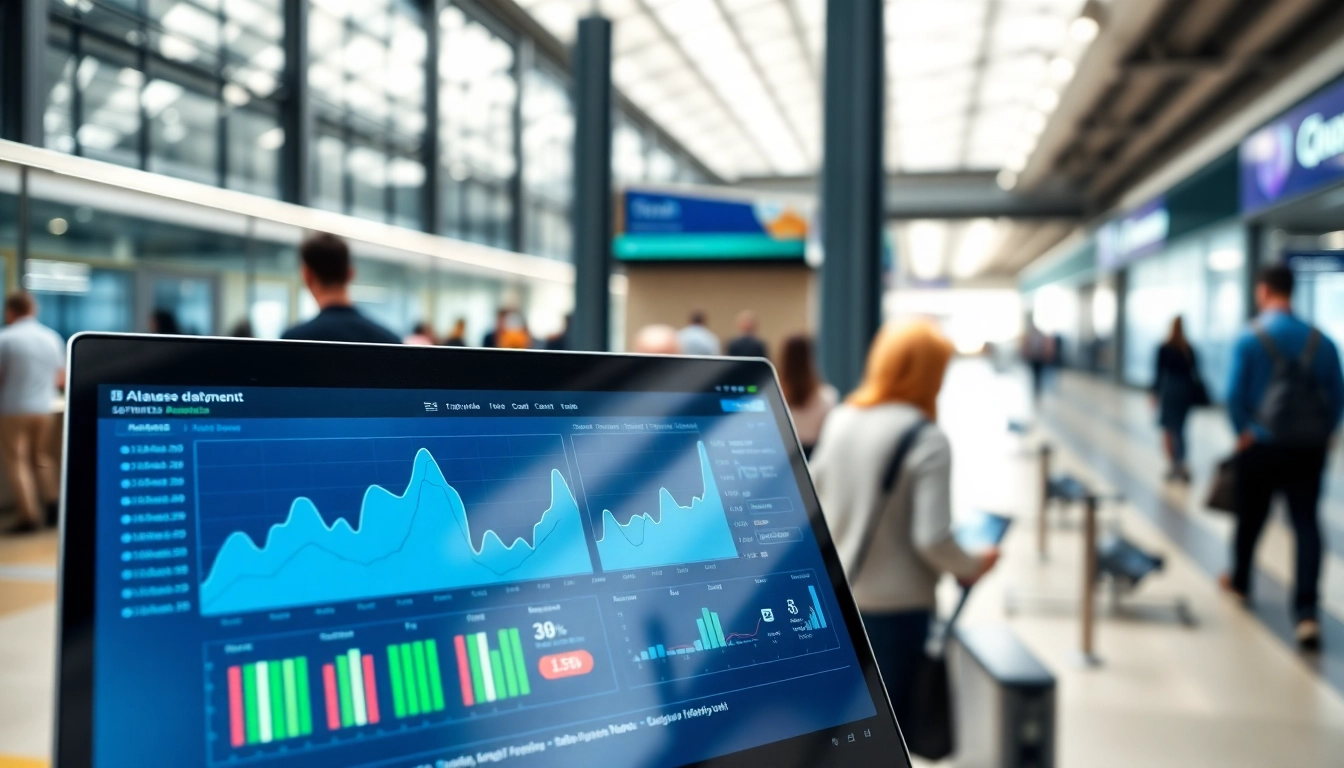
- Data Analytics: Offers detailed reports and dashboards, revealing patterns in customer behavior and service efficiency.
- Alerts and Notifications: Sends instant alerts to staff when queues exceed predetermined thresholds, enabling proactive management.
- Integration Capabilities: Works seamlessly with existing customer relationship management (CRM) and other operational systems.
- Mobile Accessibility: Provides remote access to queue data, which allows for timely decision-making regardless of location.
Benefits of Implementing Queue Detection Software
The implementation of queue detection software brings numerous benefits to organizations. Among the most significant are:
- Enhanced Customer Experience: This software reduces wait times and allows organizations to predict busy periods, contributing to improved service quality.
- Increased Efficiency: By streamlining operations and optimizing staffing based on predicted traffic, businesses can operate more efficiently.
- Data-Driven Decisions: Access to analytics enables informed choices regarding resource allocation and service enhancements.
- Cost Savings: Optimizing service and reducing wait times can lead to lower operational costs and increased revenue.
Types of Queue Detection Technologies
Queue detection technologies have evolved over time, employing various techniques to enhance their effectiveness. Different methods cater to a diverse set of operational needs and environments.
Computer Vision and Its Applications
Computer vision is an essential component of modern queue detection systems. Utilizing video surveillance technologies, computer vision algorithms can accurately track movement, identify queue lengths, and measure wait times. This technology is particularly effective in environments like retail and transportation hubs, where rapid shifts in customer flow are common. Advanced systems leverage machine learning to continuously improve accuracy, adapting to different scenarios over time.
Radar-Based Detection Systems
Radar-based systems represent another innovative approach to queue detection. By emitting radar signals that bounce off vehicles or individuals, these systems can gauge movement speed, density, and direction. This type of technology is particularly beneficial for traffic monitoring applications, where it can assist in managing traffic congestion in real-time, enhancing overall road safety.
Combining Technologies for Optimal Performance
Many organizations are adopting hybrid solutions that combine multiple queue detection technologies to leverage their strengths. By integrating computer vision with radar or infrared sensors, businesses can achieve a comprehensive understanding of traffic patterns, leading to optimal queue management strategies that align with real-world dynamics.
Implementing Queue Detection Software
The successful implementation of queue detection software is a process that requires careful planning and execution. Here are detailed steps to ensure a smooth rollout.
Steps for Smooth Implementation
The process of implementing queue detection software involves several key steps:
- Define Objectives: Clearly outline what you want to achieve with the software, including key metrics and success criteria.
- Choose the Right Solution: Evaluate various queue detection technologies based on your business needs and platform compatibility.
- Ensure a Proper Deployment Strategy: Develop a detailed project timeline that accommodates installation, system integration, and user training.
- Conduct Pilot Tests: Implement a testing phase to identify any issues and allow for adjustments before full deployment.
- Gather Feedback: Post-installation, gather input from users and stakeholders to continuously optimize the system.
Integration with Existing Systems
An important facet of successfully implementing queue detection software lies in integrating it with current operational systems. This includes aligning it with customer relationship management (CRM) systems, point of sale (POS) solutions, and workforce management tools. Effective integration enhances data flow and ensures that insights gleaned from the queue detection software can be utilized across different departments.
Common Challenges and How to Overcome Them
During implementation, challenges may arise. Some common issues include:
- Resistance to Change: Employees may be hesitant to adopt new technologies. Conduct training sessions to alleviate concerns and demonstrate the benefits.
- Technical Difficulties: Issues with software compatibility can arise. Engage with IT professionals during planning to ensure seamless integration.
- Data Privacy Concerns: As queue detection often employs surveillance, ensure compliance with data protection regulations to maintain customer trust.
Measuring the Impact of Queue Detection Software
Once queue detection software is operational, measuring its impact effectively becomes paramount to success. Utilizing metrics will allow for continuous improvement and justification of investment.
Key Performance Indicators (KPIs)
Several KPIs can be established to analyze performance:
- Average Wait Time: Measure the time customers spend in line before service.
- Customer Throughput: Assess how many customers are served within a given timeframe.
- Queue Length: Keep track of the average length of queues during different periods.
- Staff Efficiency: Analyze how effectively staff respond to queue dynamics and customer needs.
Analyzing Data for Continuous Improvement
Data analysis is crucial in refining queue management strategies. By consistently reviewing collected data, organizations can identify trends, peak traffic times, and service bottlenecks. Establish regular review sessions to discuss findings with teams and adapt services accordingly.
Case Studies of Improved Efficiency
Many organizations have experienced remarkable improvements in efficiency following the implementation of queue detection software. For instance, companies have reported up to a 30% reduction in wait times, enabling them to enhance customer satisfaction significantly. Such success stories provide strong motivation for ongoing investment in queue management technologies.
Future Prospects for Queue Detection Software
As technology continues to evolve, the future of queue detection software appears promising. Organizations can anticipate intricate systems that further enhance customer experience and operational efficiency.
Emerging Trends and Innovations
New trends in queue detection software development include:
- AI Integration: The incorporation of artificial intelligence allows for predictive analysis and automated decision-making based on customer behavior.
- Real-Time Queue Management: Advanced systems will enable real-time adjustments to operations based on anticipated customer flow.
- Enhanced User Interfaces: Continued improvements in user experience design will make these systems more accessible for staff at all levels.
The Role of AI in Queue Management
Integrating AI into queue detection software holds immense potential for revolutionizing queue management. AI algorithms can predict peak times, recommend staffing levels, and implement adjustments autonomously, all based on historical data. This shifting role empowers organizations to be more proactive rather than reactive.
Preparing for Future Developments
To stay ahead in the queue management space, organizations should invest in continued training for staff and engage in ongoing technology assessments to integrate updates seamlessly. Maintaining awareness of industry trends allows businesses to adapt and thrive amid changing consumer demands.
Frequently Asked Questions
What is the purpose of queue detection software?
The purpose of queue detection software is to monitor, analyze, and manage queue lengths and wait times in real-time, enhancing operational efficiency and customer experience.
How does computer vision help in queue detection?
Computer vision tracks movement and identifies queue dynamics using video footage, allowing for precise measurement of queue length and wait times.
What are the key benefits of using radar in queue detection?
Radar systems provide accurate measurements of vehicle or customer movement speed and density, making them ideal for traffic monitoring applications.
How do organizations measure the effectiveness of queue detection software?
Organizations typically measure effectiveness through KPIs such as average wait time, customer throughput, and the average length of queues.
What challenges might arise during the implementation of queue detection software?
Challenges during implementation can include resistance to change, technical difficulties, and data privacy concerns, all of which require proactive management strategies.