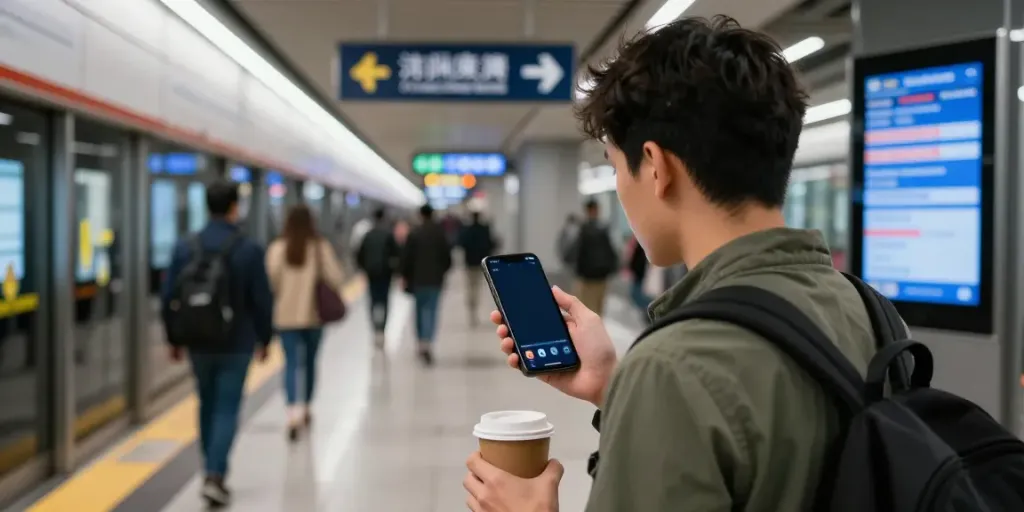
Understanding Train Strikes in Italy
Train strikes, known as "scioperi treni," have become an integral part of Italy's public transport landscape. They can significantly affect the daily lives of commuters and travelers, often resulting in delays or cancellations. With the frequency of these strikes, understanding their nature and frequency is crucial for anyone relying on Italy's transportation network. When exploring options, Scioperi treni provides comprehensive insights into upcoming disruptions, helping you plan your travels effectively.
What Are Train Strikes and Their Frequency?
In Italy, train strikes are often organized by unions representing railway workers and can occur due to various reasons, including wage disputes, working conditions, or broader political actions. The frequency of these strikes can vary, with some months seeing multiple strikes, especially during periods of negotiation or tension within labor relations.
Historically, train strikes have increased in response to changes in government policies or economic conditions affecting public transport funding. For example, labor movements often leverage strikes to voice concerns regarding privatization or reduced services. Recent data indicates that train strikes have been particularly notable in urban areas, impacting commuters relying on regional and local trains.
Legal Requirements for Proclaiming Strikes
In Italy, there are specific legal requirements governing the announcement of strikes. Unions must provide a minimum of ten days' notice before a strike can take place, allowing commuters ample time to adjust their travel plans. This regulation aims to minimize disruption and encourage dialogue between workers and employers. However, emergency strikes can still occur with less notice, typically in response to sudden grievances or safety concerns.
Understanding the legal framework surrounding strikes is essential for commuters, as it can inform them of their rights and the expected response from transit authorities regarding service guarantees during a strike. Regular updates from official sources and dedicated apps can keep travelers informed about any changes to scheduled services.
The Impact of Train Strikes on Commuters
Train strikes can have a profound impact on daily commuters. Delays and cancellations lead to missed appointments, disrupted schedules, and heightened frustration. Moreover, these strikes can ripple through other forms of transportation, including buses and trams, as many commuters rely on coordinated schedules to reach their destinations.
Stakeholders, including businesses and emergency services, also feel the effects of train strikes. For instance, a study conducted by transport analysts found that a single day of a national strike can lead to losses in productivity and additional costs for businesses dependent on timely employee arrival. Therefore, commuters must be proactive in planning their journeys and utilizing available resources to stay informed.
Utilizing Technology for Real-Time Updates
The rise of technology offers commuters a way to navigate the challenges posed by train strikes effectively. Apps and online platforms designed to provide real-time updates on transport services are invaluable tools for anyone reliant on public transportation.
How the 'C'è Sciopero' App Works
The 'C'è Sciopero' app is designed specifically to provide users with real-time information about ongoing and upcoming strikes across Italy. By selecting regions of interest, users can receive tailored notifications about strikes that could affect their daily commute. The app's user-friendly interface allows commuters to track live updates, ensuring they are not caught off guard by unexpected disruptions.
Additionally, the app offers a map feature that displays the locations and status of strikes, helping users plan alternative routes or means of transportation. This ensures that commuters can make informed travel decisions based on the latest information, significantly reducing the uncertainty associated with public transport disruptions.
Benefits of Push Notifications for Commuters
Push notifications from strike alert apps provide a significant advantage to commuters. These notifications can alert users about strikes well in advance, allowing for adequate preparation. The ability to customize notifications based on specific regions and transport categories enhances the user experience, ensuring that individuals receive relevant information without being overwhelmed by unnecessary alerts.
Moreover, real-time alerts can guide commuters during a strike, informing them of available services or alternative transport options. This proactive approach can alleviate stress and enhance overall travel efficiency, particularly for those who may not have flexible travel plans.
Comparing Various Apps for Strike Alerts
While 'C'è Sciopero' is a popular choice, several other apps also provide similar services. Options like 'Treniamo' and 'Infomobilità' offer insights into train schedules and disruptions. It's essential for users to compare these applications based on their features, user interfaces, and the accuracy of the information provided.
- C'è Sciopero: Focuses on real-time strike information, user-friendly interface.
- Treniamo: Offers extensive schedule data and strike notifications.
- Infomobilità: Provides updates on various forms of transportation, not limited to trains.
Choosing the right app can enhance a commuter's ability to navigate potential disruptions and ensure timely arrivals at their destinations.
Planning Travel Around Scheduled Strikes
Effective travel planning around scheduled train strikes is critical for minimizing inconvenience. By utilizing tools and resources, travelers can create flexible plans that accommodate potential changes in transport availability.
Creating a Flexible Travel Schedule
When planning your travel in Italy, it's wise to adopt a flexible approach. Avoid scheduling essential appointments during peak strike periods, and consider adjusting your travel times to avoid potential disruptions. This can mean departing earlier or later than usual to circumvent the effects of strikes on public transport.
Additionally, keeping alternative transport options in mind—such as ridesharing services, bicycles, or even walking—can provide viable solutions in case of train cancellations. Being prepared with multiple travel plans ensures that you can reach your destination regardless of unexpected challenges.
Alternative Transport Options During Strikes
In the event of a train strike, alternative transportation methods are not just helpful; they can sometimes be necessary. Public buses, taxis, and rideshare services can serve as effective substitutes, particularly for short-distance travel. Moreover, many cities have bike-sharing programs that can provide quick and flexible commuting options.
Moreover, it's essential to stay informed about local transport services, as some providers may offer reduced fares or special services during strikes to accommodate affected passengers. Researching these options in advance can save time and hassle on the day of travel.
Case Studies of Successful Travel Planning
Numerous commuters have successfully navigated train strikes with proper planning. For instance, a group of business travelers in Milan utilized an alert app to receive notifications about a planned train strike. By rescheduling their travel plans a day earlier, they avoided the disruption entirely, illustrating how timely information can facilitate smooth travel.
Another case involved a family traveling from Rome to Florence. By having multiple travel options planned—such as checking bus schedules and considering car rentals—they were able to pivot quickly when they learned about a last-minute strike, demonstrating that proactive planning pays off.
Best Practices for Staying Informed
Staying informed during times of potential transport disruptions is key to maintaining smooth travel. By employing multiple strategies, commuters can ensure they remain updated on strike-related developments.
How to Customize Notifications by Region
Most strike alert apps, including 'C'è Sciopero,' allow users to customize notifications based on their specific regions of interest. This capability ensures that users receive only the most relevant updates, saving time and preventing information overload. Commuters should take the time to explore the app’s settings and tailor the alerts to their specific needs.
Furthermore, subscribing to local transport authority channels can provide additional updates, especially for those who may not have access to smartphone apps. This dual approach to information can create a comprehensive awareness of travel conditions.
Using Social Media for Strike Information
Social media platforms have become integral for real-time updates on public transport strikes. Following relevant accounts, such as local transport authorities, unions, and commuter advocacy groups, can provide valuable insights and immediate updates about ongoing or upcoming strikes. These channels often share information more rapidly than traditional media outlets, making them an excellent resource for time-sensitive alerts.
Engaging with community forums can also yield real-time information and insights from fellow commuters about affected routes and travel alternatives.
Learning from Recent Strike Patterns
Analyzing past strike patterns can provide valuable context for anticipating future strikes. By reviewing historical data, commuters can identify trends—such as increased strikes during specific months or following governmental changes—and adjust their travel plans accordingly. This knowledge empowers individuals to be proactive, rather than reactive, to disruptions.
For example, in recent years, a pattern emerged showing heightened strike activity during budget announcements, prompting many frequent travelers to anticipate potential strikes during these periods. By being aware of such trends, travelers can strategize their plans more effectively.
Future Trends in Public Transport and Strikes
As public transport evolves, understanding future trends in strikes and their implications on travel will become increasingly important. With changing labor laws and evolving economic conditions, the landscape of public transport in Italy is likely to shift significantly over the next few years.
Predictions for Train Strikes in 2026
Looking towards 2026, experts predict an increase in worker-led strikes due to changing labor dynamics and dissatisfaction with current working conditions in the transportation sector. As public transport continues to adapt and respond to economic pressures, the frequency and nature of strikes may also evolve, leading to a need for commuters to remain vigilant and prepared.
Moreover, technological advancements could play a significant role in shaping the strike landscape. Enhanced communication tools may facilitate dialogue between workers and management, potentially reducing the duration and frequency of strikes.
The Role of Legislation in Transport Reliability
Legislation will undoubtedly affect operational reliability across transport networks in Italy. Policies encouraging fair working conditions and sustainable transport practices might lead to a decrease in strike frequency. On the other hand, any governmental austerity measures could provoke unrest, leading to an uptick in strikes.
Commuters should stay informed about legislative changes that could impact their transport networks, ensuring they are not caught unawares as these laws evolve.
Innovations in Commuter Experience During Strikes
As public transport faces the challenges of strikes, innovations to enhance the commuter experience are emerging. From improved mobile applications providing timely information to enhanced customer service protocols during disruptions, the future holds potential for a more resilient transport network.
Additionally, partnerships between transport authorities and private mobility solutions could create integrated systems that ease commuter transitions during strikes, ensuring minimal inconvenience.
What to Do if You're Affected by a Strike?
If you find yourself impacted by a train strike, the first step is to remain calm and informed. Utilize mobile applications and social media channels for timely updates on service availability. If possible, adjust your travel plans and consider alternative transport methods, such as buses or taxis. Keeping local contacts or colleagues informed of your situation can also assist in finding solutions, especially during critical travel times.
How to Adapt to Changing Transport Policies?
Lastly, adapting to shifting transport policies is crucial for any commuter. Regular engagement with transport news, updates from reliable apps, and participating in community discussions can enhance your understanding of the current state and future direction of public transport in Italy. Being proactive will allow you to navigate changes seamlessly and maintain effective travel routines even amidst disruptions.