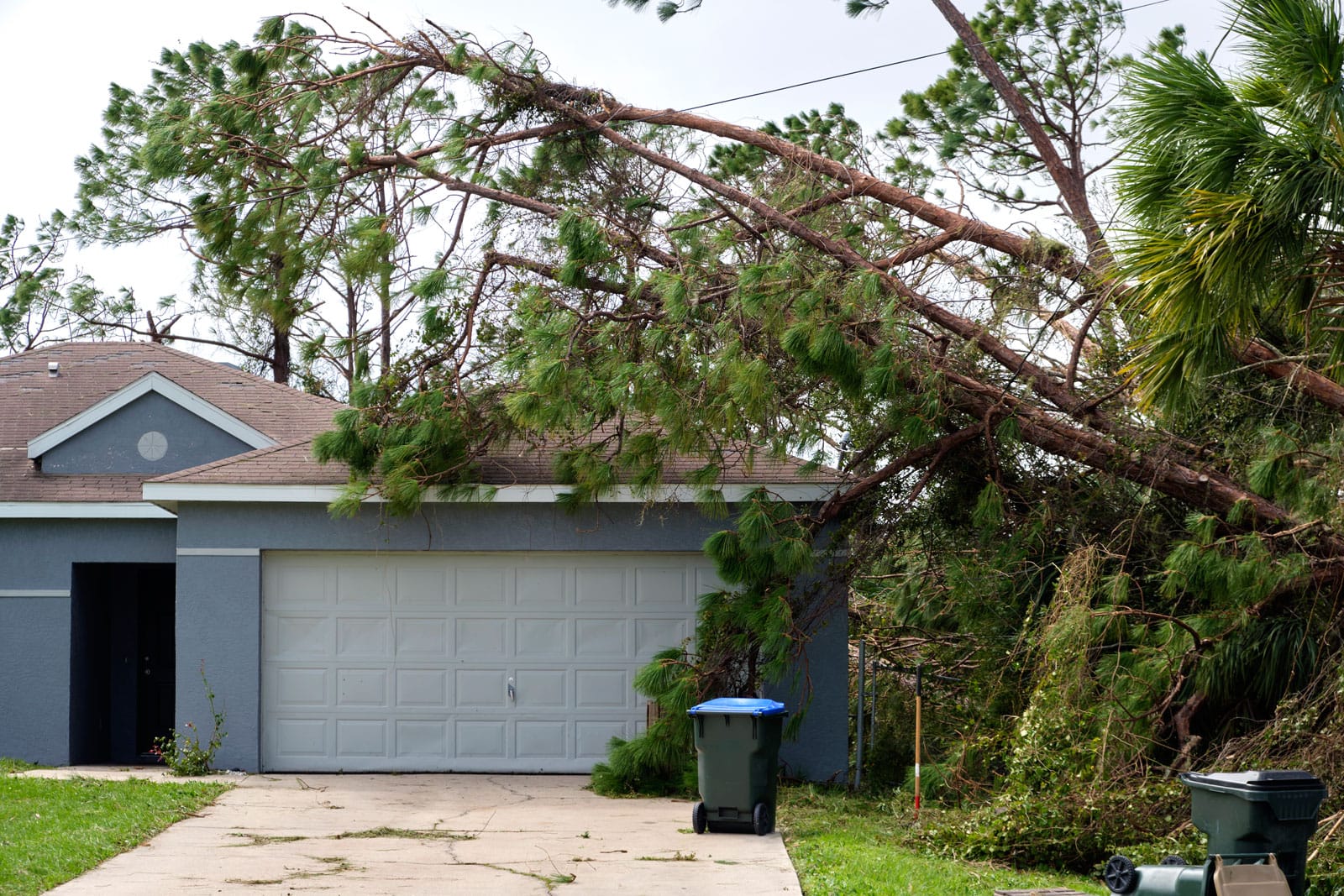
Introduction
Filing a successful wind damage insurance claim can feel overwhelming, especially when your property has just been hit by a storm and you are trying to recover quickly. A wind damage insurance claim requires careful documentation, timely reporting, and a clear understanding of your policy. Many homeowners struggle with delays or denials simply because they do not know how to properly handle a wind damage insurance claim from the beginning. At Lachman Public Adjuster, we guide property owners through every step of a wind damage insurance claim so they can maximize their settlement and reduce stress.
Understanding Wind Damage Insurance Coverage
A wind damage insurance claim typically covers losses caused by strong winds, storms, hurricanes, or cyclones depending on your policy. When filing a wind damage insurance claim, it is important to first review your insurance policy to understand what is included and excluded. Many policies cover roof damage, broken windows, and structural issues under a wind damage insurance claim, but some may have specific deductibles or limitations.
To ensure a smooth wind damage insurance claim, you must identify whether your policy treats wind separately from other types of storm damage. In many cases, insurance companies carefully evaluate each wind damage insurance claim to determine the cause and extent of damage. Proper understanding of your coverage helps you avoid mistakes that could weaken your wind damage insurance claim. Additionally, knowing your policy limits ensures that your wind damage insurance claim expectations remain realistic and achievable.
Immediate Steps After Wind Damage Occurs
After a storm, the first step in handling a wind damage insurance claim is to secure your property. Temporary repairs help prevent further damage and strengthen your wind damage insurance claim. However, you should not make permanent repairs before the insurance inspection.
Documentation is critical for a successful wind damage insurance claim. Take clear photos and videos of all visible damage. The more evidence you collect, the stronger your wind damage insurance claim will be. Contact your insurance company as soon as possible to start your wind damage insurance claim process officially. Delays can sometimes affect the outcome of a wind damage insurance claim, so timely reporting is essential.
Documentation and Evidence Collection
Strong documentation is the backbone of any wind damage insurance claim. When preparing your wind damage insurance claim, ensure you include photographs of roofs, fences, windows, and any interior damage caused by wind. Keeping receipts for emergency repairs can also strengthen your wind damage insurance claim.
A professional inspection can also improve your wind damage insurance claim outcome. Public adjusters often identify hidden damage that homeowners miss, making the wind damage insurance claim more accurate and complete. Having detailed records helps prevent disputes and increases the chances of a fair settlement for your wind damage insurance claim.
Insurance companies often require detailed proof before approving a wind damage insurance claim, so the more organized your documentation is, the better your results will be. A well-supported wind damage insurance claim is less likely to be delayed or underpaid.
Filing the Claim and Working with Adjusters
Once documentation is ready, you can formally submit your wind damage insurance claim. Make sure all forms are filled out accurately to avoid delays in your wind damage insurance claim processing. Communication with the insurance company should remain clear and consistent throughout your wind damage insurance claim journey.
An insurance adjuster will be assigned to evaluate your wind damage insurance claim. It is important to be present during inspections so you can point out all damage related to your wind damage insurance claim. Many homeowners also choose to hire a public adjuster like Lachman Public Adjuster to ensure their wind damage insurance claim is properly evaluated and not undervalued.
Negotiation is often part of the wind damage insurance claim process. Insurance companies may initially offer lower settlements, but with proper evidence, your wind damage insurance claim can be adjusted to reflect true repair costs.
Common Mistakes to Avoid
One of the biggest mistakes in a wind damage insurance claim is delaying the filing process. A late wind damage insurance claim can sometimes be questioned or reduced. Another common issue is incomplete documentation, which weakens a wind damage insurance claim significantly.
Homeowners also sometimes accept the first settlement offer without reviewing it properly. This can result in an underpaid wind damage insurance claim. Always review the offer carefully and compare it with actual repair estimates before closing your wind damage insurance claim.
Avoid making permanent repairs before approval, as this can affect the evaluation of your wind damage insurance claim. Proper communication and patience are key to a successful wind damage insurance claim outcome.
Conclusion
Handling a wind damage insurance claim successfully requires preparation, documentation, and persistence. From the moment damage occurs to the final settlement, every step of a wind damage insurance claim matters. With the right approach and professional guidance from Lachman Public Adjuster, you can ensure your wind damage insurance claim is processed fairly and quickly. By understanding the process and avoiding common mistakes, your wind damage insurance claim can lead to a smoother recovery and faster restoration of your property.