The Importance of Real-Time Market Data
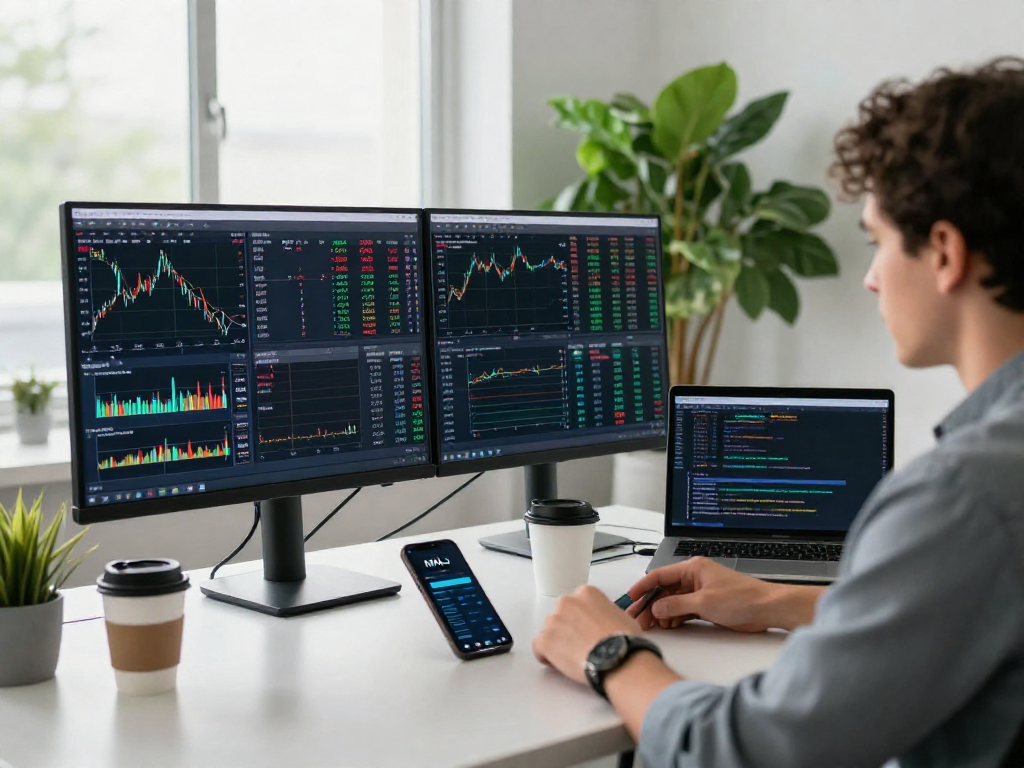
The landscape of trading and investment has evolved significantly with the advent of blockchain technology, enabling real-time access to structured financial data. This shift empowers developers, trading platforms, and research institutions to craft robust strategies based on the immediacy and accuracy of data. When exploring options, HKEX Level 2 market data provides comprehensive insights that can significantly enhance trading activities across various exchanges.
Understanding HKEX Level 2 Market Data
HKEX Level 2 market data refers to the depth of information available beyond the typical bid and ask prices reflected in Level 1 data. Essentially, it provides detailed insights into the order books, including hidden orders and better visibility into market liquidity. This facilitates a more nuanced understanding of market conditions, particularly for institutional traders and algorithmic strategies that thrive on large volumes of data. Accessing HKEX Level 2 data enables users to assess the strength of price movements and make informed decisions during trading sessions.
The Benefits of Real-Time Data in Trading
Real-time data is crucial to effective trading strategies. Price fluctuations can happen in fractions of a second, and having access to this kind of data allows traders to react quickly to market movements. This capability is particularly important in high-frequency trading (HFT) situations, where tiny margins can be the difference between profit and loss. Additionally, real-time data helps traders identify patterns, back-test strategies, and optimize their performance through quantitative analysis.
Comparing Market Data Providers
When it comes to market data solutions, there are several providers that offer varying levels of service. Factors such as data coverage, latency, and reliability are essential when deciding which provider to choose. iTick distinguishes itself in the competitive landscape as it offers real-time and historical feeds from over 50 global exchanges, which is vital for conducting comprehensive financial analyses. Users can seamlessly integrate this data into their systems via WebSocket and RESTful APIs.
Getting Started with the iTick Stock API
How to Sign Up and Get Your Free API Key
Creating an account with iTick is straightforward and allows you to receive a free API key upon registration. This key enables access to a wealth of resources, such as real-time stock data from various exchanges, ideal for developers and traders looking to enhance their trading platforms. The registration process is user-friendly, guiding users through each step to set up their account securely.
Integrating the API into Your Trading Platform
Once you have your API key, the next step is integration into your trading platform. iTick's API allows for seamless integration with various programming languages, enabling developers to create customized trading strategies based on real-time and historical market data. It is essential to follow the documentation provided by iTick carefully, as it contains specific guidelines and code snippets necessary for integration.
Understanding API Calls and Documentation
The iTick API documentation is comprehensive, detailing the structure of API calls, endpoints, and response formats. Learning how to make these calls is vital for gathering the necessary data for effective trading. By reviewing the documentation, developers can familiarize themselves with necessary parameters, such as symbols, market data types, and authentication methods, facilitating efficient and accurate data retrieval for their trading strategies.
Technical Analysis Techniques with HKEX Level 2 Data
Charting and Visualization Tools
Charting and visualization are pivotal for interpreting market data effectively. By employing advanced charting tools that can utilize HKEX Level 2 data, traders can visualize complex market patterns and dynamics. Platforms often incorporate various technical analysis indicators, such as moving averages, Bollinger Bands, and Fibonacci retracement levels, to help traders make data-driven decisions. Visualization facilitates quicker comprehension of market fluctuations and aids in recognizing potential entry and exit points.
Key Indicators to Monitor
Incorporating indicators into your analysis can enhance the interpretation of Level 2 market data. Common indicators include Relative Strength Index (RSI), Moving Average Convergence Divergence (MACD), and Volume Weighted Average Price (VWAP), each providing insights into market trends and potential reversals. By closely monitoring these indicators alongside Level 2 data, traders can improve their chances of making accurate predictions regarding asset movements.
Common Trading Strategies Utilizing Level 2 Data
Utilizing HKEX Level 2 market data allows traders to implement a variety of trading strategies effectively. Scalping, for instance, focuses on taking advantage of small price changes and requires real-time data to execute trades within seconds. Conversely, swing trading takes a broader view, capitalizing on asset movements over days or weeks, yet still benefits significantly from the insights provided by Level 2 data to time entries and exits more precisely.
Maximizing Returns Through DeFi and Stock Trading
Yield Farming with Stock Data Insights
Yield farming has gained traction in the DeFi space, allowing investors to earn yields by providing liquidity to various DeFi protocols. The integration of stock data insights can aid traders in determining risk and optimizing yields by analyzing stock performance and trends. Understanding correlations between crypto and stock performance can significantly enhance yield farming strategies, particularly in a volatile market.
Cross-Asset Trading Strategies
Cross-asset trading strategies leverage the price movements of different asset classes, including cryptocurrencies and traditional stocks. By utilizing HKEX Level 2 market data alongside cryptocurrency data, traders can identify arbitrage opportunities between assets, optimizing portfolios for maximum returns. Such strategies require a thorough understanding of how various markets interact, enhanced by real-time data feeds.
Liquidity Pools and Staking Options
Liquidity pools in DeFi enable users to provide capital for trading pairs in return for transaction fees and rewards. By combining stock trading and DeFi principles, traders can maximize returns. Furthermore, staking options allow users to earn passive income on their holdings, which can be calculated more accurately when using reliable data sources such as the iTick API.
Ensuring Security and Compliance in Trading
Best Practices for Protecting Your Investments
Securing your investments is paramount in the digital age. Employing best practices, such as using hardware wallets like Ledger or Trezor for significant holdings and implementing two-factor authentication, can significantly enhance security. Additionally, regularly updating software and employing encryption for sensitive data are essential steps in safeguarding against potential breaches.
Understanding Regulatory Compliance for Cryptocurrency
With the ever-evolving landscape of cryptocurrency regulation, understanding compliance is crucial for traders. In 2026, regulations like the CFTC for crypto derivatives and MiCA in the EU will shape the framework within which digital assets operate. Traders must remain vigilant and educated about these regulations to mitigate legal risks associated with trading activities.
Recognizing and Avoiding Trading Scams
Scams within the cryptocurrency realm can take many forms, from phishing attacks to Ponzi schemes. Recognizing the signs of potential scams involves conducting due diligence on projects and staying informed about common tactics employed by fraudsters. Insights from community feedback, reviewing project documentation, and ensuring transparency can aid in avoiding these pitfalls.
Crypto Security Threats & Risk Management
Common Security Threats
Understanding the landscape of security threats in cryptocurrency is vital for both seasoned and novice traders. Phishing attacks, malware, and fake ICOs represent just a few types of risks. Users must be cautious about the websites they engage with and employ strategies to protect their digital assets.
Providing Risk Mitigation Strategies
Mitigating risks involves a multifaceted approach. Strategies can include diversifying investments, continuous monitoring of market developments, and employing gradual investment techniques to minimize exposure. An emergency exit strategy is also essential to limit potential losses in a rapidly changing market.
Conclusion
Incorporating HKEX Level 2 market data into your trading strategies can significantly elevate your ability to navigate the complexities of financial markets. By leveraging tools and technologies available, you can enhance your trading performance, understand market cycles, and protect your investments more effectively. Remember, however, that trading involves risks, and staying informed and compliant is essential for long-term success.