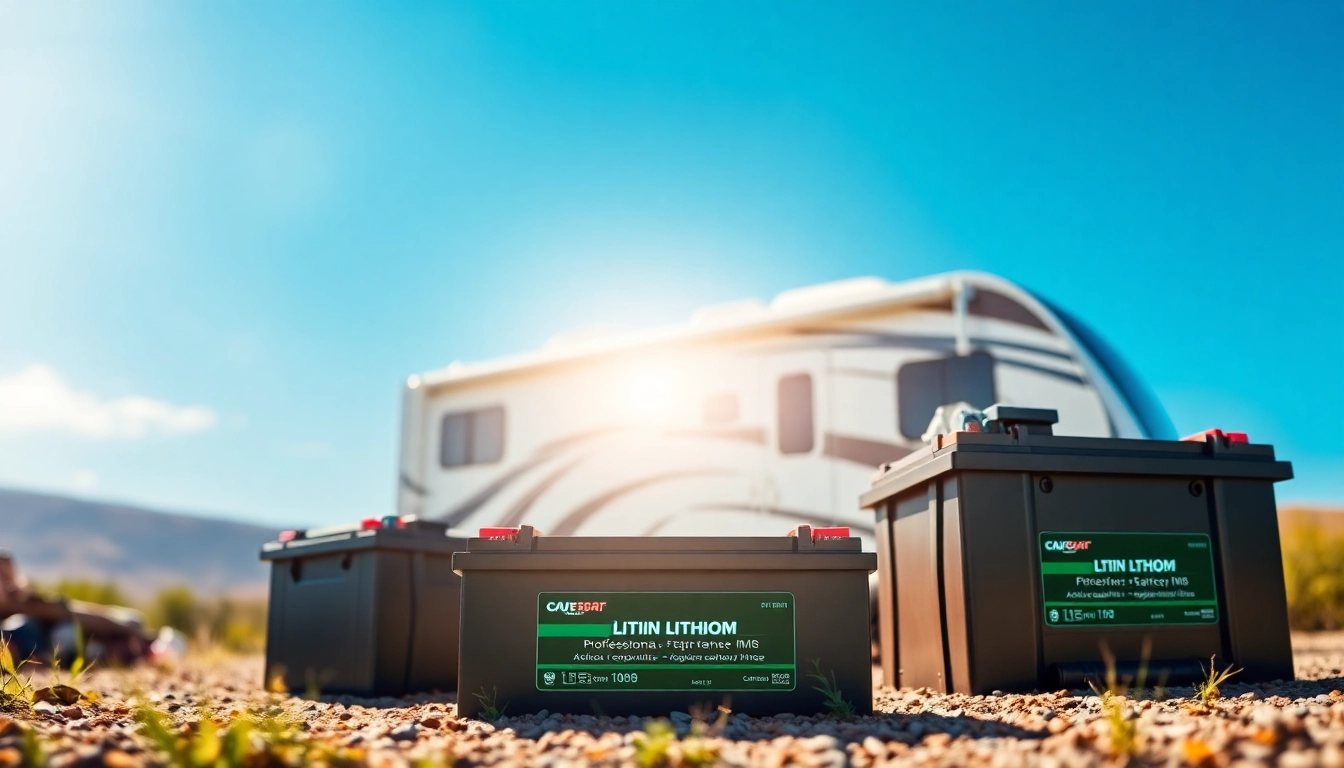
Understanding Lithium RV Batteries
Lithium RV batteries have transformed the way we think about energy storage in recreational vehicles. Compared to traditional lead-acid batteries, these innovative power solutions offer numerous advantages that enhance your RV experience. For those looking to explore this technology, lithium RV batteries stand out for their efficiency, reliability, and longevity. In this guide, we will explore the fundamentals of lithium RV batteries, their key benefits, selection criteria, installation procedures, and maintenance practices.
What Are Lithium RV Batteries?
Lithium RV batteries are rechargeable batteries that utilize lithium compounds, primarily lithium iron phosphate (LiFePO4), as the primary material for their electrodes. This technology allows them to function effectively in various environments and applications, including powering RVs, camper vans, and travel trailers. They provide a robust and dependable energy source perfect for adventurous travelers and those who enjoy off-grid living.
Key Differences from Traditional Batteries
- Lifespan: Lithium batteries typically last 2-3 times longer than traditional lead-acid batteries, allowing for fewer replacements.
- Efficiency: Lithium batteries charge faster and discharge more completely, allowing for higher usable capacity.
- Weight: Lithium batteries are considerably lighter than lead-acid counterparts, making them easier to handle and transport.
- Depth of Discharge: Lithium batteries can be discharged to lower levels (up to 80%) without damaging their lifespan, while lead-acid batteries should not be discharged below 50%.
Common Uses in RVs
Lithium RV batteries are becoming increasingly popular among RV enthusiasts. They serve a variety of functions, including:
- Powering appliances like refrigerators, microwaves, and air conditioning units.
- Supporting battery management systems for efficient monitoring and usage.
- Enabling off-grid living by providing reliable energy on extended trips away from conventional power sources.
Benefits of Using Lithium RV Batteries
Efficiency and Longevity Advantages
The efficiency of Vatrer Power lithium RV batteries is evident in their ability to deliver consistent power over extended periods. A quality lithium battery can last up to 10 years with proper management, significantly longer than lead-acid batteries. Their fast charging capabilities also mean that you can spend less time connected to power sources and more time enjoying your travels.
Weight and Space Saving Benefits
Weight is a crucial factor in RVing, impacting fuel efficiency and handling. Lithium batteries are typically 50% lighter than lead-acid models. This weight reduction allows for more payload capacity and enhances overall RV performance. Additionally, lithium batteries have compact designs which can easily fit into various battery compartments, freeing up valuable storage space.
Environmental Considerations
Lithium batteries are not only more efficient and longer-lasting but also offer environmental benefits. They have a lower carbon footprint compared to lead-acid batteries, especially since they can be recycled more effectively. Their ability to support solar energy systems further enhances their eco-friendly appeal, allowing users to harness renewable energy while minimizing reliance on fossil fuels.
How to Choose the Right Lithium RV Batteries
Understanding Battery Capacity Options
Choosing the right capacity is vital when selecting a lithium RV battery. Capacity is measured in amp-hours (Ah), which indicates how much energy a battery can provide over time. Common options include:
- 100Ah: Suitable for small RVs or setups requiring minimal energy.
- 200Ah: Ideal for medium RVs with several electrical appliances.
- 300Ah: Best for larger vehicles with extensive energy needs or multiple users.
Important Specifications to Consider
When evaluating 12V 300Ah Lithium Battery, consider the following specifications:
- Voltage: Most RV systems operate on 12V, but you might also see options for 24V and 48V configurations.
- Cycle Life: Look for batteries with a cycle life of 2000+ deep cycles to maximize longevity.
- Temperature Tolerance: Ensure the battery can operate effectively in varying temperature conditions relevant to your travel plans.
Popular Brands and Models
Various brands offer reliable lithium RV batteries. When considering options, look for customer reviews, warranties, and support services provided by the manufacturer. Ensure that the brand has a solid reputation for quality and customer satisfaction.
Installing Lithium RV Batteries in Your RV
Preparation and Required Tools
Before beginning the installation of your lithium RV batteries, it's crucial to gather necessary tools such as a wrench, screwdrivers, and wire cutters. Make sure to disconnect any existing batteries and take necessary safety precautions to avoid electrical shocks.
Step-by-Step Installation Guide
- Choose an appropriate location for the new batteries, ensuring it is ventilated and protected from the elements.
- Mount the battery securely using the provided brackets or straps.
- Connect the positive (red) terminal of the new battery to the positive terminal of the power system.
- Connect the negative (black) terminal of the new battery to the negative terminal of the power system.
- Check all connections for tightness and ensure the battery management system is configured properly.
- Turn on the power and monitor battery performance using the management system.
Common Installation Mistakes to Avoid
Be aware of common mistakes during installation that could lead to inefficient battery performance or damage:
- Incorrectly connecting terminals, which can cause short circuits.
- Not securing the batteries properly, leading to damage while in transit.
- Failing to properly configure battery management systems, which can result in incorrect monitoring.
Maintenance Tips for Lithium RV Batteries
Regular Check-ups and Care Practices
To maximize the lifespan and performance of your lithium RV batteries, conduct regular check-ups:
- Monitor voltage levels and state of charge routinely.
- Inspect connections for corrosion, tightening them as needed.
- Dust and clean the exterior of the battery to prevent heat build-up.
Storing Lithium RV Batteries Safely
When not in use, store lithium batteries in a cool, dry place to prevent degradation. Ensure they are charged between 30-80% for optimal long-term storage. Avoid leaving batteries in excessively high or low temperatures.
Signs of Battery Problems
Keep an eye out for warning signs that may indicate problems with your lithium RV batteries:
- Sudden drops in performance or decreased cycle times.
- Visible swelling or leakage, indicating potential failure.
- Inconsistent voltage readings, which can indicate internal damage.
FAQs about Lithium RV Batteries
1. Are lithium batteries worth it for an RV?
Yes, especially for frequent travelers. Their longer lifespan and higher usable capacity can lead to cost savings in the long run, making them a reliable investment.
2. How long can a 100Ah lithium battery run an RV fridge?
A 100Ah lithium battery can typically run a 12V motorhome fridge for approximately 2-3.5 days, depending on power draw and environmental factors.
3. Can I upgrade my RV's existing battery system to lithium?
Absolutely! Upgrading is feasible and greatly enhances your RV's performance, especially if you're switching from lead-acid to lithium batteries.
4. What factors affect the charging time of lithium RV batteries?
Charging time can be influenced by battery capacity, state of charge, the type of charger used, and the overall efficiency of your RV's electrical system.
5. How should I maintain my lithium RV batteries?
Regular inspections, keeping connections clean, ensuring safe storage, and monitoring performance can extend the lifespan and reliability of your batteries.