Understanding Solar Panel Repair
What is Solar Panel Repair?
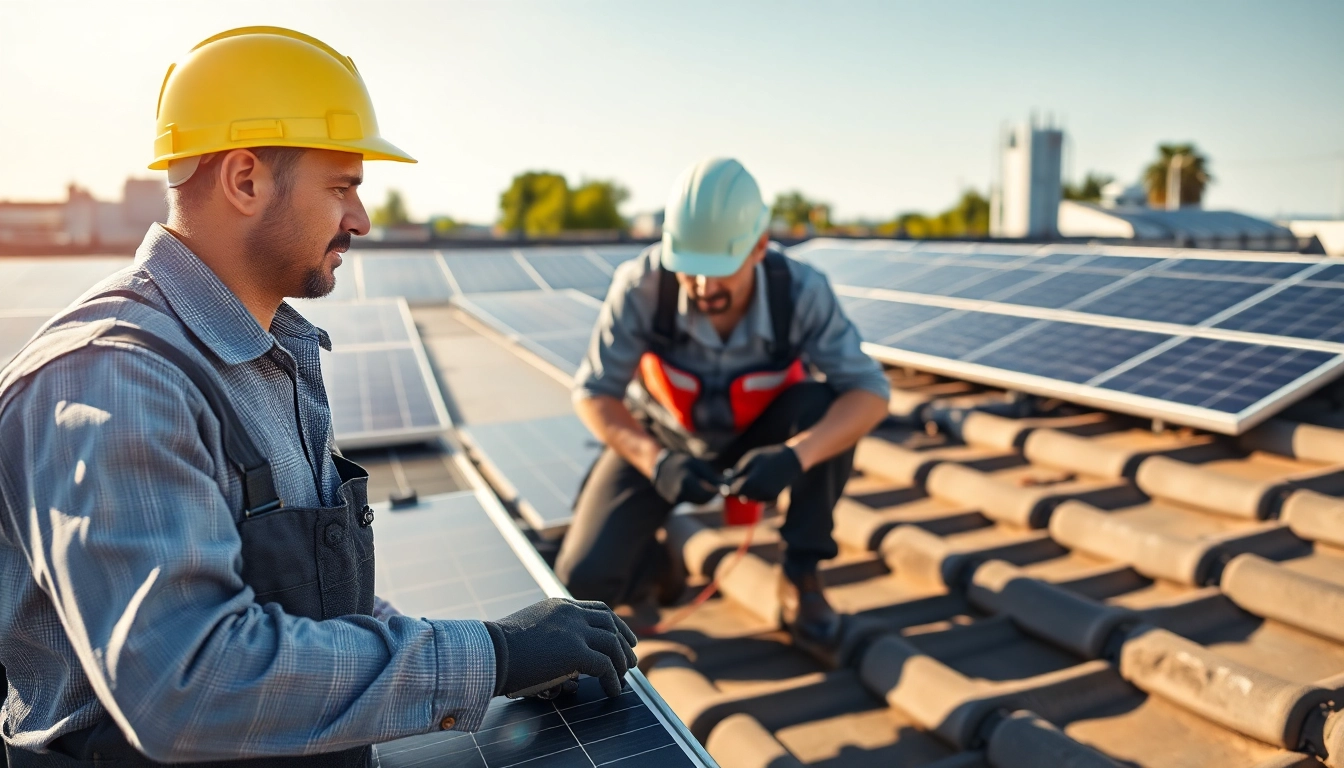
Solar panel repair refers to the process of diagnosing and fixing issues that prevent solar panels from functioning efficiently. Over time, various factors, including weather conditions, accidental damage, and wear and tear, can impact the functionality of solar panels. Repairing these systems is crucial for maintaining energy production and safeguarding your investment in solar energy. It encompasses a broad spectrum, from minor fixes to more significant interventions, ensuring that your solar energy system operates at peak performance. In situations where repairs are necessary, homeowners often turn to professional services that specialize in solar panel repair.
Common Issues Leading to Repairs
Several issues may arise that necessitate solar panel repairs:
- Physical Damage: Weather events, such as hail or high winds, can cause cracks or breakage in solar panels.
- Electrical Malfunctions: Faulty wiring, circuit issues, or inverter problems can hinder the panels' power generation capacity.
- Underperformance: A drop in energy output can signal microcracks or dirt buildup obstructing sunlight absorption.
- Connector Issues: Loose or damaged connections can interrupt the flow of electricity from the panels.
Importance of Professional Solar Panel Repair
Engaging professionals for solar panel repair is crucial for several reasons. First, trained technicians possess the expertise and tools to accurately diagnose issues that may not be visible to the untrained eye. This can prevent misdiagnosis and inefficient repairs, saving both time and money. Secondly, professional repairs often come with warranties or guarantees, providing you peace of mind that the work performed meets industry standards. Lastly, certain repairs may require adherence to local regulations and safety codes, which professionals will navigate effectively.
Diagnosis of Solar Panel Problems
Identifying System Failures
Diagnosing problems in solar panel systems involves systematic evaluation. Homeowners should start with visual inspections, looking for cracks, discoloration, or debris accumulation on solar panels. Additionally, monitoring energy output through a solar management app can help identify drops in production efficiency that might indicate an underlying problem. If the system is underperforming, it may be time to consult a professional. They can perform a thorough evaluation, including multimeter tests on the electrical components and analysis of voltage fluctuations.
Tools Required for Diagnosis
Effective diagnosis requires specialized tools, including:
- Multimeter: Essential for measuring voltage, current, and resistance across solar panels.
- Thermal Imaging Camera: Identifies hot spots in the panels, indicating electrical issues.
- Solar Analyzer: Provides a comprehensive assessment of solar panel performance.
- Cleaning Supplies: Ensuring panels are clean is a part of diagnosis as dirt can mimic failure signs.
When to Seek Professional Help?
If extensive electrical issues are suspected or if visual inspections reveal significant damage, it's essential to call in a professional. Additionally, if the energy output significantly drops without a clear explanation, seeking expert assistance will help in identifying and remedying the fault efficiently before it escalates. Ignoring minor problems can lead to costly repairs or complete replacement in the long run.
DIY Solar Panel Repair Tips
Basic Repairs Homeowners Can Perform
Homeowners can perform some minor repairs and maintenance without professional assistance. Basic tasks include:
- Cleaning Panels: Regularly clear debris and dirt using a soft brush or water.
- Checking Connections: Tighten any loose connections, ensuring the system operates efficiently.
- Visual Inspections: Monitoring for cracks or physical damage can highlight issues early on.
Cost-effective Methods for Minor Repairs
For minor repairs, utilizing DIY methods can save substantial costs. Home improvement stores offer kits for common repairs, such as fiberglass repair kits for cracks. Additionally, most systems have documentation that includes troubleshooting guides, empowering homeowners to perform simple fixes confidently without the need for a professional service.
Safety Precautions to Consider
Safety is paramount when engaging in DIY solar panel repairs:
- Turn Off the System: Always switch off your solar panels before conducting any maintenance work.
- Use Proper Equipment: Utilize ladders and tools suited to electrical work and wear safety gear.
- Assess Your Comfort Level: If at any point you feel uncomfortable or unsafe, seek professional assistance.
Finding Qualified Solar Panel Repair Services
What to Look for in a Repair Service
Selecting a qualified solar panel repair service can be daunting, but critical factors can guide decision-making. Look for technicians with appropriate certifications, customer reviews showcasing their reputation, and experience in handling various system models. Additionally, verifying their insurance coverage ensures you're protected against any liabilities during service.
Questions to Ask Potential Repair Technicians
When interviewing potential repair technicians, consider asking the following:
- What certifications do you hold relevant to solar panel repair?
- Can you provide references or reviews from previous customers?
- What is your standard procedure for diagnosing and repairing issues?
- Do you offer warranties on your services?
Importance of Customer Reviews
Customer reviews provide insights into the reliability and quality of service. Reading testimonials can uncover aspects like timeliness, professionalism, and post-repair support. Platforms like Yelp or Google Reviews can serve as resources for assessing local repair services. A service with a significant number of positive reviews is typically a better choice than one without sufficient feedback.
Maintaining Your Solar Panels
Regular Maintenance Tips for Longevity
To ensure long life and optimal performance, regular maintenance is critical. Here are some tips:
- Scheduled Inspections: Conduct regular professional inspections at least once a year.
- Seasonal Cleaning: Clean panels prior to peak usage seasons to avoid efficiency loss.
- Monitor Output: Keep track of energy production to catch any potential issues early.
Common Maintenance Mistakes to Avoid
Avoid common pitfalls that may undermine solar panel performance:
- Neglecting Routine Checks: Failing to schedule regular inspections can lead to overlooked issues.
- Forgetting to Clean: Letting debris accumulate can significantly reduce efficiency.
- Unqualified Repairs: Attempting complex repairs without expertise can exacerbate problems.
Cost of Regular Maintenance vs Repair
Investing in regular maintenance can save money long-term by preventing costly repairs. Regular checks and minor fixes usually involve lower costs than addressing significant repairs resulting from neglect. Therefore, budgeting for regular maintenance can make a considerable difference in preserving your solar energy system's functionality and lifespan.
FAQs about Solar Panel Repair
1. How can I tell if my solar panels need repairs?
If you notice a significant drop in energy output or see visible damage such as cracks, it’s time to assess your solar panels for repairs.
2. Are all solar panel problems easy to fix myself?
While minor issues like cleaning are manageable for homeowners, significant electrical problems usually require professional intervention.
3. How much does solar panel repair typically cost?
Repair costs can vary based on the issue's severity, with average expenses ranging from $120 to $3,000, depending on the service required.
4. Is regular maintenance necessary for solar panels?
Yes, regular maintenance is essential to ensure optimal performance, prevent significant issues, and extend the lifespan of your solar panels.
5. Can I claim damages to my solar panels through insurance?
Yes, many homeowner insurance policies cover damage to solar panels. It’s essential to check the specifics of your policy for details.