Understanding Peptides
Definition and Structure
Peptides are short chains of amino acids, which are the building blocks of protein. Typically, peptides consist of 2 to 50 amino acids linked together by peptide bonds. These bonds form during a dehydration reaction between the amino group of one amino acid and the carboxyl group of another. While peptides are often confused with proteins, the primary difference lies in their size and complexity. Proteins usually contain more than 50 amino acids and can form intricate three-dimensional structures, whereas peptides tend to have simpler forms and functions.
The Role of Peptides in Biology
In biological systems, peptides play crucial roles in various physiological processes. They function as hormones, neurotransmitters, and signaling molecules. For instance, insulin, a peptide hormone, regulates glucose metabolism, while endorphins, which are peptides, can modulate pain perception and stress response. Peptides are not only essential for communication within the body but also participate in immune responses, cell signaling, and metabolism regulation.
Types of Research Peptides
Research peptides can be categorized based on their functions and applications. Some common types include:
- Signal Peptides: These proteins facilitate the delivery of other proteins to specific destinations within or outside of cells.
- Hormonal Peptides: These influence numerous bodily functions, including growth and metabolism, e.g., Growth Hormone Releasing Peptide (GHRP).
- Antimicrobial Peptides: Found in various organisms, these peptides combat pathogens all through their ability to disrupt microbial membranes.
- Neuropeptides: They help transmit signals in the nervous system and can influence mood, pain perception, and appetite.
Applications of Peptides in Health
Peptides for Muscle Growth
Peptides like Growth Hormone Secretagogues (GHS) are known for their potential to enhance muscle growth by stimulating the body's natural production of growth hormone. Various studies suggest that specific peptides can improve muscle mass and strength, thus appealing to individuals interested in fitness and bodybuilding. Combining these peptides with rigorous training and proper nutrition can yield impressive results in muscle hypertrophy.
Skin Health and Anti-Aging Benefits
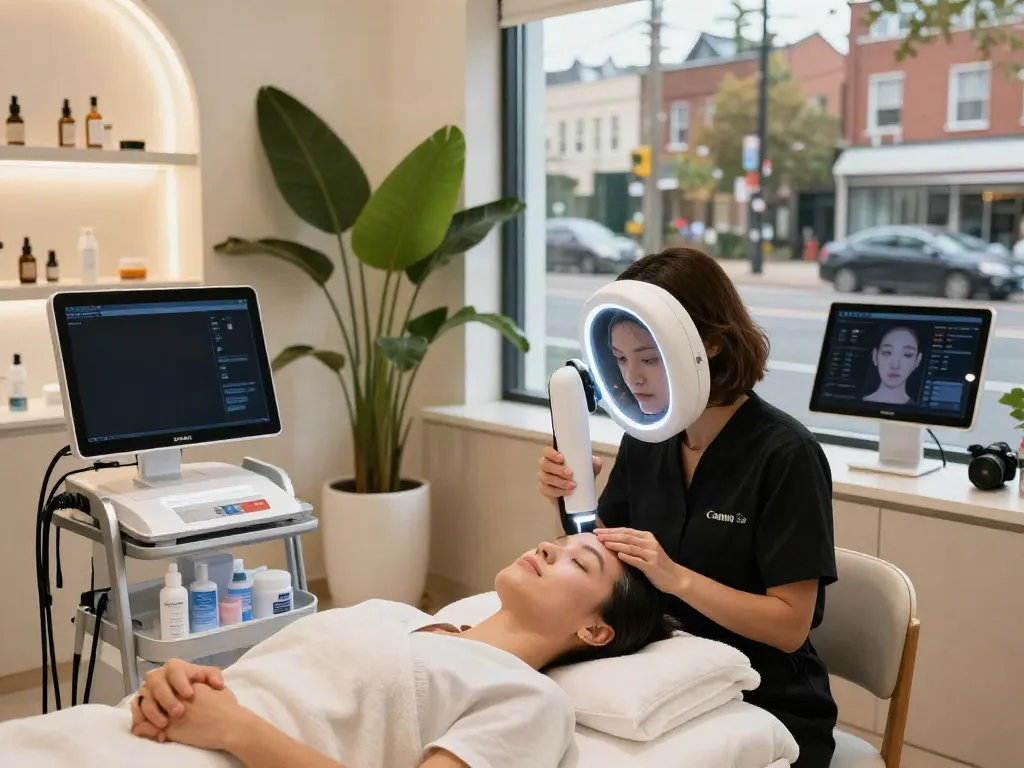
Peptides have gained popularity in the cosmetic industry for their anti-aging effects. Certain peptides, such as Matrixyl and Argireline, have been scientifically depicted to promote collagen production and improve skin elasticity. By enhancing cellular communication and repair, these peptides can reduce the appearance of wrinkles and fine lines, making them valuable components in skincare products. Furthermore, glow peptides specifically are being explored for their role in revitalizing skin tone and texture.
Peptides for Immune Support
Research is increasingly focusing on peptides that assist immune function. For instance, Thymosin alpha-1 is a peptide known to enhance immune response by promoting the activity of T-cells, which play a crucial role in the body's defense against infections. This specific application of peptides highlights their potential in immunotherapy and overall health enhancement. Integrating such peptides into health regimens could lead to better disease management and prevention.
How to Use Peptides Effectively
Dosage Recommendations
Determining the appropriate dosage for peptide use can be complex and requires careful consideration. Factors such as individual bodyweight, the specific peptide in question, and desired outcomes play significant roles in establishing dosages. General guidelines suggest starting with lower doses and gradually increasing as needed while monitoring the body’s reactions. It is critical, however, to consult healthcare professionals for personalized recommendations.
Methods of Administration
Peptides can be administered via several methods depending on their type and intended effect. Common routes include:
- Injection: The most direct method, often used for peptides that require immediate systemic absorption.
- Oral Supplements: Some peptides are stabilized for oral consumption, making them more convenient.
- Topical Application: This method is effective particularly for skin-related peptides, allowing for localized effects.
The method of administration should align with the peptide type and individual preferences, ensuring optimal absorption and effectiveness.
Safety and Precautions
While peptides can offer significant health benefits, it is essential to consider safety and potential side effects. Users should be cautious about sourcing peptides, as quality can drastically vary. Always choose products from reputable suppliers who provide third-party testing results. Additionally, it’s wise to be aware of your body’s reactions upon starting peptide therapy and consult a healthcare professional for any unexpected symptoms or concerns.
Research Findings on Glow Peptides
Current Studies and Insights
Recent research into glow peptides has revealed promising results regarding their effects on skin health. Studies indicate that these peptides can stimulate collagen production and enhance skin hydration, leading to a more youthful appearance. Clinical trials are ongoing to better understand the long-term implications of these peptides and their efficacy compared to traditional skincare ingredients.
Reported Benefits and Efficacy
Users of glow peptides have reported improved skin texture, reduced fine lines, and an overall brighter complexion. Many of these benefits stem from the peptides' ability to penetrate the skin and promote cell turnover. However, comprehensively evaluating the efficacy of such skincare peptides through controlled studies continues to be vital in establishing their role within dermatological practices.
Potential Side Effects
Though generally considered safe, glow peptides may cause mild side effects in some individuals, such as irritation or allergic reactions. It is critical for individuals to perform patch tests before widespread application. Consulting with a dermatologist can help address concerns and provide guidance on safe usage.
Future Trends in Peptide Research
Advancements in Peptide Synthesis
The field of peptide research is steadily evolving with advancements in synthesis techniques that allow for greater precision and customization. Innovations such as solid-phase peptide synthesis are contributing to more efficient production processes, enabling researchers to develop unique peptides tailored to specific therapeutic needs. This progress is likely to enhance the efficacy and applicability of peptides in various health fields.
Growing Market Demand
As awareness increases regarding the health benefits of peptides, demand within both the medical and cosmetic markets is expected to rise. With a growing consumer base seeking non-invasive anti-aging solutions and enhanced athletic performance, the market for peptide-related products is poised for significant expansion. This burgeoning interest is catalyzing research initiatives aimed at discovering new peptide applications.
Ethical Considerations in Research
With the rapid advancements in peptide research, it is crucial to address the ethical considerations surrounding their use, especially in performance enhancement and aesthetics. Questions regarding testing on human subjects, potential misuse, and environmental impact of peptide production must be thoughtfully navigated. Ensuring that peptides are used responsibly and equitably is paramount as the industry grows.
Frequently Asked Questions
What are glow peptides used for?
Glow peptides are primarily used in skincare for promoting collagen production, improving skin hydration, and enhancing overall texture, contributing to a more youthful appearance.
How do I know if peptides are effective?
The effectiveness of peptides can often be measured through visible changes in skin appearance, improvements in texture, and hydration levels. Clinical studies may also provide efficacy data.
Are glow peptides safe for all skin types?
In general, glow peptides are considered safe; however, those with sensitive skin should perform patch tests before full application to assess tolerance.
How long does it take to see results from glow peptides?
Results from using glow peptides can vary but typically take 4-8 weeks of consistent use to observe significant improvements in skin appearance and texture.
Can I use glow peptides with other skincare products?
Yes, glow peptides can often be combined with other skincare products. However, it's advisable to layer them properly and consult a dermatologist for the best routine.