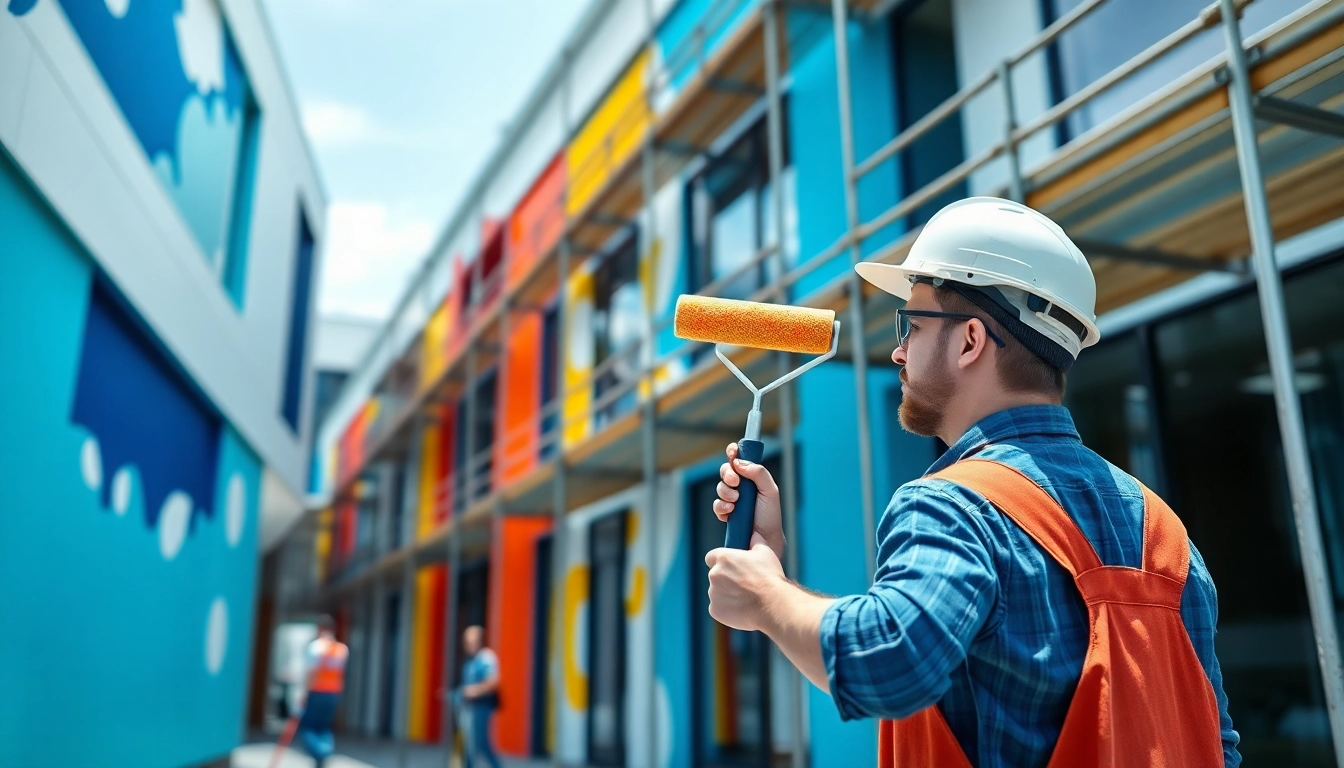
Understanding Commercial Painting
Defining Commercial Painting
Commercial painting refers to the art and science of applying paint and protective coatings to various surfaces in commercial buildings, such as offices, retail spaces, and industrial facilities. Unlike residential painting, which focuses on homes and personal spaces, commercial painting takes into account larger scales, different clientele, and various functionalities. The ultimate goal is to enhance both the aesthetic appeal and the functional longevity of these environments. Whether it’s a single office or an expansive warehouse, professional commercial painting services are designed to meet the unique needs of businesses.
The Importance of Professional Finishing
In the world of business, first impressions matter significantly. A well-painted commercial space speaks volumes about a brand's professionalism and attention to detail. Professional finishing ensures that all surfaces are prepared correctly, resulting in a smooth and flawless finish that can instantly uplift a customer’s perception. High-quality paint also provides durability, which is crucial for high-traffic areas that experience wear and tear over time. Moreover, professional painters are adept at selecting the right products and techniques to suit the specific conditions and requirements of each project, ensuring longevity and protection against elements like moisture and UV rays.
Common Types of Commercial Painting Services
Various types of commercial painting services cater to a broad spectrum of business needs. Some of the most common types include:
- Interior Painting: Involves painting walls, ceilings, and other interior surfaces.
- Exterior Painting: Focuses on the outer surfaces to protect against weather elements.
- Industrial Painting: Applies heavy-duty coatings to factories, warehouses, and other industrial settings, often including specialized finishes for safety compliance.
- Specialty Coatings: These may include anti-graffiti coatings, anti-slip textures, or fire retardant paints tailored to specific commercial needs.
- Wall Coverings: Beyond paint, this service can include vinyl, fabric, or paper wall coverings designed for aesthetics and function.
Choosing the Right Commercial Painting Contractor
What to Look For in a Contractor
When selecting a commercial painting contractor, there are several key considerations to keep in mind. Credentials such as licenses, insurance, and relevant industry certifications are essential indicators of professionalism. Additionally, look for contractors with a proven track record in commercial painting, as well as positive customer reviews and testimonials. Experience in managing similar projects ensures they are familiar with the nuances that may arise during the painting process. The use of high-quality materials and having a sound safety plan are also critical aspects to investigate.
Questions to Ask Potential Services
Engaging in conversations with potential contractors can yield valuable insights. Key questions to ask include:
- How long have you been in the commercial painting business?
- Can you provide references or examples of past work similar to my project?
- What safety measures do you have in place during the painting process?
- What paint brands do you typically use and why?
- What is your estimated timeline for project completion?
Understanding Pricing Models
The pricing models for commercial painting vary widely based on factors such as project scope, materials used, and labor costs. Commonly, painters use a per-square-foot pricing model, which can provide a clear indication of overall costs. It is crucial to obtain multiple estimates to ensure you’re getting a competitive price. Beware of significantly low bids; they may indicate a compromise on quality or materials. Additionally, understand what factors may affect pricing during the project, such as the complexity of work and surface preparation requirements.
Best Practices for Commercial Painting Projects
Preparation Steps Before Painting
Preparation is crucial for ensuring the success of any commercial painting project. Start by conducting a thorough inspection of the surfaces to be painted. This includes checking for damage, mildew, or peeling paint. Next, proper surface preparation, such as cleaning, sanding, and priming, is essential to create a smooth and durable finish. This process may involve making repairs and using suitable primers to ensure adhesion. Lastly, communicating with employees and stakeholders about the upcoming work schedule can minimize disruption and enhance overall satisfaction.
Effective Painting Techniques
Various techniques can be employed during commercial painting to enhance both aesthetics and efficiency. Using spray painting can cover larger areas quickly, while brush painting is ideal for intricate details or touch-ups. Rollers are excellent for large flat surfaces, providing a uniform finish. It’s essential to choose the right method based on the surface texture and the desired finish. Experienced contractors will also ensure proper application methods are followed according to paint type, allowing the paint to cure adequately and provide long-lasting results.
Post-Painting Maintenance Tips
Once the painting job is complete, regular maintenance is critical to preserving its quality. Start by inspecting the painted surfaces periodically for any signs of wear or damage. Simple practices, such as regular cleaning and avoiding harsh chemicals, can prolong the life of the new paint. Additionally, establish a routine for repainting high-traffic areas or visible surfaces to ensure that your commercial space always looks its best. This proactive approach can ultimately save time and money in the long run.
Trends in Commercial Painting
Eco-Friendly Painting Options
As awareness of environmental issues grows, many businesses are seeking eco-friendly painting options. Low-VOC and zero-VOC paints reduce harmful emissions while providing excellent coverage and durability. Furthermore, natural and biodegradable paint products are now available, making it easier to create environmentally responsible spaces without compromising quality. Implementing these eco-friendly options not only benefits the planet but can also enhance a company’s image and appeal to environmentally conscious customers.
Color Trends for Commercial Spaces
Color plays a vital role in commercial design, influencing mood and perception. Current trends lean towards bold colors that stimulate creativity and productivity, with shades like vibrant greens and rich blues becoming increasingly popular. On the other hand, neutral tones are perpetually favored for creating calm, focused environments. It’s essential to select colors that align with brand identity while considering the psychological impacts that certain hues can evoke among employees and customers.
Innovative Techniques in Commercial Painting
Innovation in the commercial painting industry has led to the development of advanced techniques that enhance efficiency and creativity. Techniques such as textured finishes, stenciling, and wall murals can add unique character to a space while engaging customers visually. Furthermore, digital printing technologies allow for branding images and messages to be integrated into walls, adding significant personalization to commercial environments. Implementing these innovative approaches can distinguish a business and create a memorable experience for visitors.
Measuring the Success of Your Commercial Painting Project
Setting Clear Objectives and Goals
To evaluate the success of a commercial painting project, it’s essential to set clear objectives from the outset. Whether the aim is to improve aesthetics, increase brand visibility, or create a specific ambiance, having defined goals provides a benchmark against which success can be measured. Employ metrics such as customer satisfaction ratings, employee feedback, and overall aesthetic impact to gauge the outcome of your project and inform future decisions.
Evaluating Customer Feedback
After completing a commercial painting project, soliciting feedback from clients and employees can offer valuable insights. Tools such as surveys or informal discussions can effectively capture reactions to the new environment. Pay particular attention to opinions concerning aesthetics, functionality, and overall satisfaction—these insights can guide future projects and highlight areas for improvement, ensuring that your investment meets expectations.
Long-Term Benefits of Quality Commercial Painting
Investing in quality commercial painting has substantial long-term benefits. A well-executed painting job enhances the aesthetic appeal of a space, which can positively influence customer behavior and attract new clients. Furthermore, the protective qualities of high-quality paint help reduce maintenance costs and extend the life of commercial assets. Lastly, a visually appealing environment fosters employee satisfaction and productivity, proving that the benefits of investing in professional commercial painting projects extend far beyond immediate visual enhancements.
Frequently Asked Questions about Commercial Painting
What is the typical duration for a commercial painting project?
The duration varies based on the project's scale and complexity. Small jobs may take a few days, while larger projects could take weeks. Always consult your contractor for a detailed timeline.
How should I prepare my business for painting?
Notify employees and customers about the painting schedule. Ensure furniture and valuables are moved or covered to prevent damage. A clean, uncluttered space can significantly streamline the process.
Do I need permits for commercial painting?
In most cases, commercial painting does not require permits, but local regulations may vary. It’s advisable to check with local authorities or your painting contractor.
Can I select eco-friendly paint for my project?
Absolutely! Many painters offer eco-friendly options, which reduce emissions while providing high-quality results. Discuss these options with your contractor for best results.
What maintenance is required after painting?
Regularly inspect surfaces for wear and clean them gently to enhance longevity. Avoid harsh chemicals and establish a repainting schedule for high-traffic areas.
Contact Information
Address:Branam Brushworks LLCCall Us:+12076168892