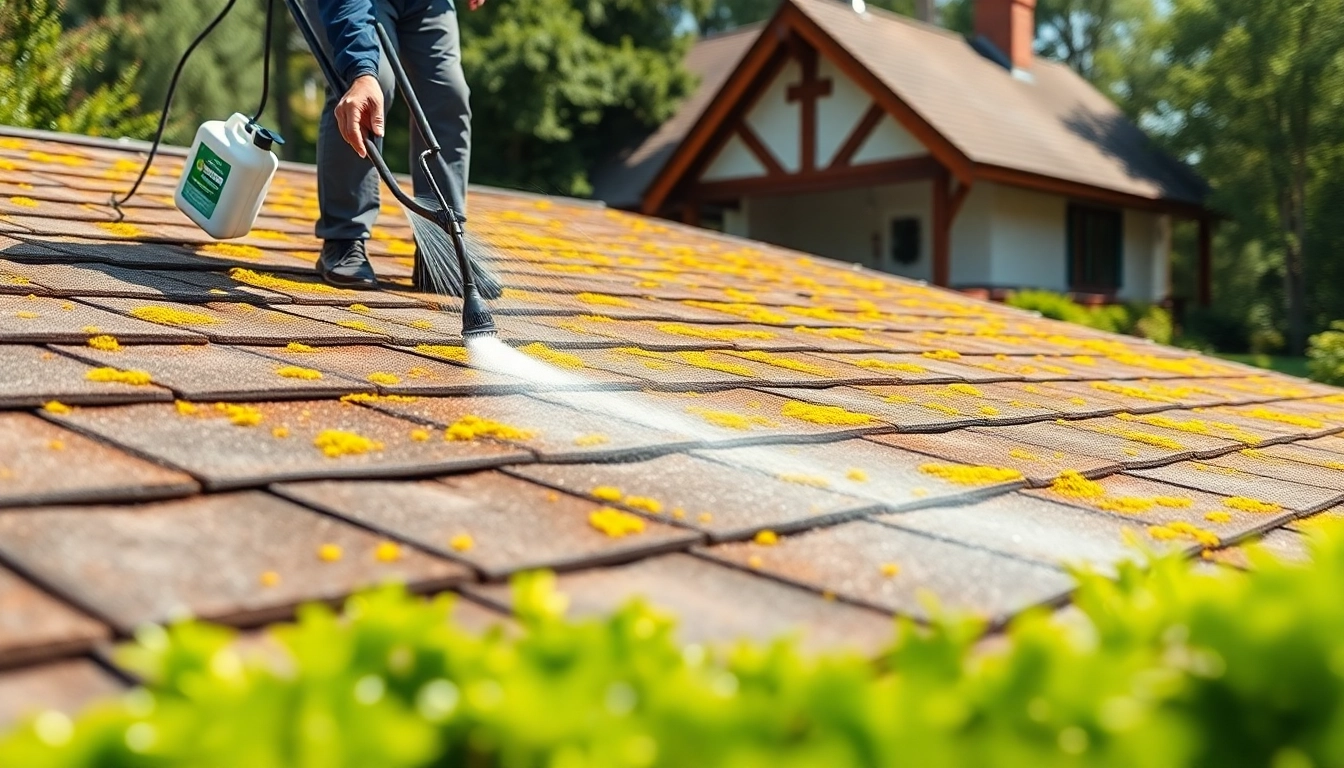
Understanding Roof Cleaning
What is Roof Cleaning?
Roof cleaning refers to the process of removing debris, stains, and organic growth such as algae, mold, and moss from the surface of a roof. It is crucial for maintaining the aesthetics and structural integrity of a home. Regular Roof Cleaning not only enhances your home's curb appeal but also extends the lifespan of your roofing materials by preventing damage caused by organic growth.
Importance of Regular Roof Cleaning
Regular roof cleaning is essential for several reasons. Contaminants can trap moisture, leading to rot and damage over time. Algae and moss can also cause shingles to deteriorate, which can result in costly repairs or replacement. By investing in routine cleaning, homeowners can save money in the long run while ensuring their roof remains in optimal condition.
Common Roof Contaminants
Various contaminants can affect roofs, which include:
- Algae: Typically appears as dark streaks on roofs, causing aesthetic concerns and potential damage.
- Moss: Grows in damp areas and can lift shingles, causing leaks.
- Lichen: A combination of fungus and algae that can severely damage roofing materials over time.
- Debris: Leaves, branches, and other materials can accumulate, providing a home for pests and moisture retention.
Types of Roof Cleaning Methods
Soft Washing vs. Pressure Washing
When it comes to roof cleaning methods, soft washing and pressure washing are the two primary techniques used. Soft washing involves using low-pressure water combined with biodegradable cleaning solutions to gently remove stains without damaging the roof's materials. In contrast, pressure washing uses high-pressure water jets that can strip away shingles and cause leaks if not handled correctly. Soft washing is generally the preferred method, especially for delicate roofing materials.
Chemical Roof Cleaning Solutions
Chemical cleaners are often used in conjunction with soft washing techniques. These solutions can effectively eliminate algae, moss, and lichen. Common ingredients in these solutions include sodium hypochlorite and potassium salts, which target and break down organic matter. It’s essential to use environmentally safe products to prevent harm to surrounding plants and water sources.
DIY versus Professional Roof Cleaning
While some homeowners consider DIY roof cleaning, professional services often provide several advantages. Professional cleaners have the expertise and equipment required for safe and effective cleaning. They can access hard-to-reach areas and ensure that the job is done without damaging the roof. Moreover, professionals can detect underlying issues during the cleaning process, which might be overlooked by inexperienced individuals.
Cost Factors in Roof Cleaning
Average Cost of Roof Cleaning
The cost of roof cleaning varies depending on several factors, including the size of the roof, the method used, and the extent of cleaning required. On average, homeowners might pay between $300 to $800 for a professional roof cleaning service. However, unique roof types or high-pitched roofs may incur additional charges.
Factors Affecting Cleaning Prices
Several factors can influence the price of roof cleaning:
- Roof Size: Larger roofs require more time and labor.
- Roof Type: More delicate materials may need special cleaning techniques.
- Accessibility: Roofs that are hard to access can require additional safety measures, increasing costs.
- Extent of Contamination: Heavily soiled roofs may involve more work and higher costs.
How to Get Accurate Quotes
To receive accurate quotes for roof cleaning, it's best to contact several service providers for estimates. Be sure to discuss your roof's specific needs, such as the type of materials and the level of contamination present. Many companies offer free assessments that can help you understand the cost and process involved.
Maintaining a Clean Roof
Best Practices for Roof Maintenance
Maintaining a clean roof requires ongoing effort and vigilance. Here are some best practices:
- Regular Inspections: Conduct periodic inspections to identify early signs of contamination.
- Trim Overhanging Branches: Reduce debris accumulation by maintaining trees near your roof.
- Clean Gutters: Ensure that gutters are free of debris to facilitate proper drainage.
- Prompt Repairs: Address any damaged shingles or issues promptly to prevent larger problems.
Frequency of Roof Cleaning
Most experts recommend roof cleaning every 1 to 3 years, depending on the environment and roof conditions. Properties located in humid or shaded areas may require more frequent cleanings due to increased growth of organic materials.
Signs Your Roof Needs Cleaning
Homeowners should be aware of several signs indicating that their roof may need cleaning:
- Visible dark streaks or stains on shingles.
- Accumulation of moss or lichen.
- Debris build-up in valleys or gutters.
- Sagging or damaged shingles.
Frequently Asked Questions About Roof Cleaning
How often should I clean my roof?
It is advisable to clean your roof every 1 to 3 years, depending on your local climate and the level of contamination.
Can I clean my roof myself?
While it is possible to undertake roof cleaning as a DIY project, it is often safer and more effective to hire professionals due to the risks and specialized equipment involved.
What are the risks of not cleaning my roof?
Neglecting roof cleaning can lead to moisture retention, deterioration of roofing materials, and ultimately costly repairs or replacements.
Is roof cleaning environmentally safe?
Yes, many roof cleaning solutions are environmentally safe when applied correctly and with consideration for surrounding vegetation and water sources.
What should I do after a roof cleaning?
After roof cleaning, inspect your roof for any visible damage and ensure that all debris has been removed from gutters and downspouts for optimal drainage.