Understanding the Importance of Car Paint Protection
Maintaining the aesthetic and functional integrity of your car's exterior is crucial for overall performance and value retention. Proper care extends not just to the mechanics of the vehicle but also significantly involves safeguarding the paint. When you learn how to protect car paint after washing, you ensure that your vehicle's appearance remains brand new while also preventing deterioration due to environmental factors.
Why Paint Protection Matters
Car paint acts as a shield against corrosive elements that can adversely affect its longevity. A well-protected exterior not only enhances visual appeal but also increases resale value. Damage to the paint can lead to rust, oxidation, and increased repair costs, which can be mitigated through proper protection strategies.
Common Types of Paint Damage
- Scratches: These are often caused by dirt, debris, or even improper washing techniques.
- Swirl Marks: Frequently result from using the wrong type of washing materials, leading to fine lines that diminish the car's shine.
- Fading: Exposure to UV rays can cause the paint to lose its luster over time, resulting in an aged appearance.
- Etching: This occurs when bird droppings, tree sap, or acid rain comes into contact with unprotected paint, causing irreversible damage.
How Washing Affects Car Paint
While washing is necessary to keep surfaces clean, improper techniques can lead to damage. Using harsh detergents, old sponges, or dirty water can trap abrasive particles against the paint, leading to scratches. Thus, understanding the right methods and tools for car washing is essential when considering how to protect car paint after washing.
Essential Steps to Protect Car Paint After Washing
Applying Wax: Steps and Best Practices
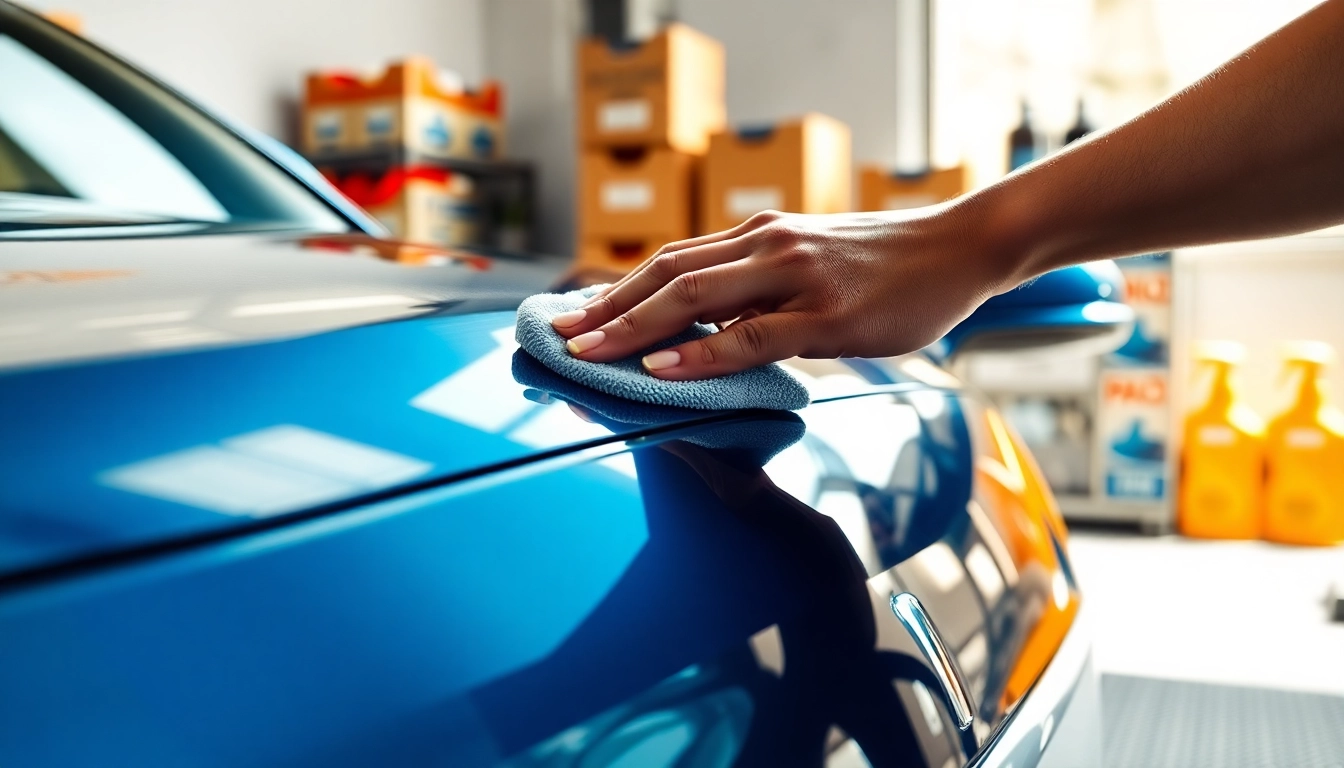
Waxing your vehicle serves as a crucial line of defense. Car wax creates a hydrophobic layer that repels water and contaminants. Here’s how to do it:
- Choose the Right Wax: Select a quality wax suitable for your car's finish—either natural carnauba or synthetic wax.
- Prep the Surface: Ensure the car is clean and completely dry before application.
- Use a Soft Applicator: Apply wax in small, circular motions, covering one section at a time.
- Allow to Cure: Let the wax sit for the time specified by the manufacturer for the best results.
- Buff with a Microfiber Cloth: Remove excess wax by buffing with a clean microfiber cloth until achieving a shine.
Using Paint Sealants for Extra Protection
Paint sealants offer longer-lasting protection compared to traditional waxes and can withstand harsh elements better. They provide a synthetic barrier that adheres to the paint, effectively repelling water, dirt, and UV rays. Applying paint sealant follows a similar approach to wax application but tends to be more forgiving with curing times.
When to Consider a Ceramic Coating
Ceramic coatings are an advanced solution for those seeking a high level of protection. Unlike wax and sealants, ceramic coatings bond chemically with the paint surface and provide unparalleled durability. They help resist chemicals, UV rays, and even light scratches. However, application requires careful surface preparation and often professional installation due to the precision needed in the curing process.
Routine Maintenance After a Wash
Recommended Products for Daily Care
Incorporating effective products into your routine can make a significant difference. Consider using:
- pH-neutral car shampoos: These effectively clean without stripping protective layers.
- Quick detailers: These can be sprayed on after drying to enhance shine and add a bit of protection.
- Microfiber towels: Essential for drying and buffing without causing scratches.
Timing Your Wax Application
To maintain optimal protection, it is advisable to wax your vehicle every 3 to 6 months. However, environmental conditions play a significant role. If your vehicle is exposed to harsh sun, frequent rain, or extreme weather, consider more frequent applications.
Inspection Checklist Post-Wash
Always perform a visual inspection after washing:
- Check for Swirl Marks: Look for fine scratches that could indicate improper washing techniques.
- Assess Wax Coverage: Ensure the vehicle has an even coat of wax.
- Inspect Surfaces: Look for signs of dirt or contaminants that may have been missed and require re-cleaning.
Natural Elements to Guard Against
UV Rays and Their Impact
Ultraviolet rays from the sun contribute to paint fading and oxidation. Regularly applying protective layers like wax or ceramic coatings can greatly limit the detrimental effects of UV exposure on your vehicle.
Dirt and Debris Management
Dust, dirt, and airborne contaminants will settle on your car. Regular washing combined with protective measures will mitigate the impact of these elements, keeping the paint intact.
Environmental Debris: How to Minimize Risks
Bird droppings, tree sap, and road tar can profoundly affect paint surfaces. Swift action, such as washing the vehicle soon after exposure, can prevent these substances from etching into the paint.
Troubleshooting Common Car Paint Issues
Fixing Swirl Marks and Scratches
Swirl marks can often be polished out using a dual-action polisher and a suitable polishing compound. Start with a less abrasive product to maintain as much clear coat as possible.
Restoring Dull Paint Finishes
If your vehicle loses its shine, compounding may be necessary. This step involves removing a fine layer of paint to rejuvenate the surface. Follow up with a new layer of protection to ensure long-lasting results.
Long-term Protection Strategies
Consider investing in professional-grade paint protection films or coatings. These options may offer the highest level of durability and can simplify ongoing maintenance.
FAQs
How often should I wax my car?
It is recommended to wax your car every 3 to 6 months, depending on exposure to weather and elements.
Will waxing remove scratches?
Wax provides a protective layer but may not remove scratches. For deep scratches, consider polishing.
Can I use household wax products?
No, always use car-specific wax products to ensure the best protection and shine for your vehicle's paint.
What is the best way to wash my car?
Safe washing involves using the two-bucket method to minimize scratches, along with microfiber towels for drying.
Does ceramic coating replace waxing?
Ceramic coating offers long-lasting protection and may reduce the frequency of waxing, but waxing can still enhance shine.