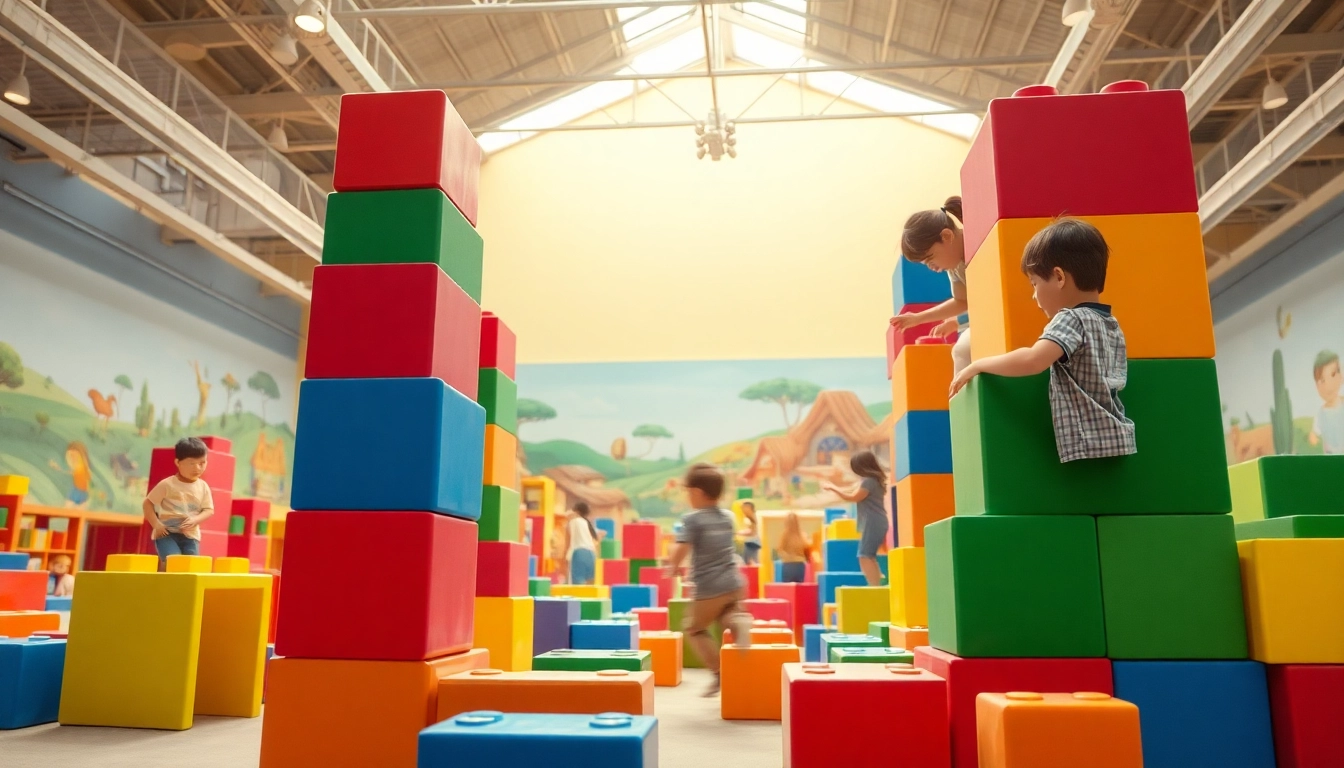
Introduction to Giant Building Blocks
Giant building blocks have become a staple in playrooms, classrooms, and outdoor environments, offering limitless possibilities for creativity and construction. These oversized blocks provide children with the tools they need to bring their imaginative structures to life. Whether designed for solo play or group collaboration, these blocks encourage problem-solving, teamwork, and physical coordination. To explore the endless opportunities for creative play, many parents and educators are eager to discover more about their benefits, types, and the ideal ways to incorporate them into a play space.
What are Giant Building Blocks?
Giant building blocks are typically larger than traditional building blocks and made from various materials such as soft foam, plastic, or wood. These blocks can be designed to interlock, stack, or fit together in creative ways, making them ideal for imaginative play. Sizes can range from a few inches up to several feet, providing children the unique experience of building structures significantly larger than themselves. This scale transformation allows children to engage in role-playing scenarios, building elaborate castles, forts, or even simple geometric shapes that stimulate their creativity.
Benefits of Playing with Building Blocks
The play value of giant building blocks extends far beyond mere entertainment. Here are several essential benefits associated with engaging with these large-scale toys:
- Enhances Motor Skills: Stacking and arranging blocks help children develop fine and gross motor skills, improving hand-eye coordination.
- Supports Cognitive Development: Problem-solving is at the heart of block play. Children learn to assess balance, structure, and design while experimenting with different configurations.
- Fosters Imagination: Building blocks are a canvas for creativity, allowing children to visualize and enact their ideas, thus enhancing their storytelling skills.
- Encourages Social Skills: Playing with others fosters teamwork and communication as children collaborate on projects, share resources, and negotiate roles.
- Teaches Math and Science Concepts: Building involves understanding shapes, symmetry, and balance, laying the groundwork for fundamental STEM knowledge.
Types of Giant Building Blocks
The variety of giant building blocks available caters to different play styles and educational approaches:
- Soft Foam Blocks: Perfect for younger children, these blocks are lightweight, safe, and easy to handle, making them conducive to both indoor and outdoor play.
- Plastic Interlocking Blocks: Similar to traditional building sets, these offer versatility and durability, suitable for both creative designs and rugged play.
- Wooden Blocks: Classic in nature, wooden blocks provide a tactile experience that appeals to children, with the added benefit of being environmentally friendly.
- Magnetic Blocks: These come with embedded magnets that allow for unique building techniques, giving children the freedom to create complex structures effortlessly.
Designing an Engaging Play Space
Creating an optimal play environment for giant building blocks involves thoughtful design considerations that promote exploration and innovation while ensuring safety.
Choosing the Right Environment
The choice of environment plays a crucial role in fostering an engaging play experience. Consider the following options:
- Indoor Playrooms: Dedicated indoor spaces, free from distractions, can stimulate focus and creativity. Soft flooring can help minimize noise and enhance comfort.
- Outdoor Play Areas: Outdoor settings provide ample room for large structures. Ensure that the area is flat and free of hazards, allowing for dynamic play.
- Community Spaces: Parks or community centers can host organized play events, offering children the chance to build socially while learning from each other.
Arranging Blocks for Maximum Creativity
The arrangement of blocks within a play space greatly influences the creative potential. Here are strategies to maximize creative play:
- Zoning: Create designated areas for specific types of play; for example, a quiet corner for imaginative storytelling, or an open space for competitive building.
- Visual Stimulation: Use colorful storage solutions for blocks to create an aesthetically pleasing environment that draws children in.
- Accessibility: Ensure blocks are easily accessible, allowing children to take ownership of their play. Low shelves or baskets can facilitate independent play.
Safety Considerations
Safety is paramount when designing a play area for giant building blocks. Consider the following guidelines:
- Age Appropriateness: Always select blocks suitable for the age group of the children using them to prevent choking hazards.
- Soft Surfaces: Ensure that the flooring is padded or made of materials that can cushion falls to reduce the risk of injury.
- Regular Inspections: Conduct frequent checks for wear and tear, especially for blocks used outdoors, as exposure to elements can affect their integrity.
Creative Play Ideas and Activities
To fully realize the potential of giant building blocks, here are innovative play ideas that stimulate creativity.
Group Challenges and Competitions
Creating challenges or competitions encourages teamwork and friendly rivalry among children. Here are some ideas for group activities:
- Team Building Challenges: Split children into teams and task them with building specific structures within a time frame. This encourages strategic planning and collaboration.
- Theme Days: Organize themed building days (e.g., "Space Adventures" or "Fantasy Kingdoms") that inspire creative projects aligned with children’s interests.
- Display Showcases: Host showcases where children present their structures, explaining the design process and iterations, fostering both public speaking and critical thinking skills.
Independent Play Scenarios
For children who enjoy solitary play, independent activities are essential for self-discovery and imagination:
- Build a Story: Encourage children to create structures tied to their favorite stories or characters, prompting them to engage with narrative imaginatively.
- Exploration Tasks: Set up tasks where children must build a bridge, tower, or specific object, challenging their problem-solving abilities.
- Art Integration: Incorporate art supplies, such as markers or stickers, for children to personalize their blocks, enhancing their attachment to their creations.
Incorporating Learning into Play
By weaving educational components into play, parents and teachers can enhance learning outcomes while keeping the fun intact:
- Math Skills: Use measuring tools to discuss dimensions and area, helping children understand geometry as they measure their structures.
- Science Concepts: Explore principles of gravity and balance as children experiment with different configurations of blocks.
- Storytelling and Language Skills: Encourage children to narrate stories based on their creations, thus enhancing vocabulary and narrative skills.
Maintenance and Care for Building Blocks
Maintaining giant building blocks involves regular care to ensure longevity and safe play. Here are some best practices.
Cleaning and Hygiene Tips
Cleaning does not need to be daunting. Here are simple methods to keep blocks hygienic:
- Routine Cleaning: Establish a weekly cleaning schedule using mild soap and warm water, ensuring all surfaces are wiped down.
- Sanitization: For foam and plastic blocks, consider antiseptic wipes to ensure thorough disinfection without damage.
- Drying Specifications: Ensure blocks are completely dry before storage to prevent mold growth.
Storage Solutions
Effective storage solutions are key to ensuring blocks remain in good condition while being easily accessible:
- Bins and Baskets: Utilize clear bins with labels for type or size of blocks to encourage clean-up and organization.
- Wall Storage: For tighter spaces, consider wall-mounted peg systems that keep blocks off the ground while displayed aesthetically.
- Rolling Carts: Portable carts can be beneficial in mobile play setups, making it easy to transition blocks from indoor to outdoor play.
Durability Concerns
The longevity of giant building blocks can be influenced by both material quality and usage patterns:
- Material Selection: Choose highly durable materials for blocks expected to endure heavy usage, like high-density foam or reinforced plastic.
- Seasonal Considerations: Outdoor blocks may require seasonal rotation to ensure they are protected against harsh weather conditions, extending their lifespan.
- Repairs and Replacement: Regularly inspect blocks for damage and address minor issues promptly to avoid further degradation.
Frequently Asked Questions
What age group is best for giant building blocks?
Giant building blocks are suitable for children aged 2 and up, with various designs catering to different developmental stages ensuring safe play.
How do giant building blocks enhance learning?
They promote cognitive development through problem-solving, encourage creativity, and introduce foundational concepts in math and science through hands-on play.
Can these blocks be used outdoors?
Yes, many giant building blocks are designed for outdoor use, particularly those made from durable plastic or foam resistant to weather conditions.
What safety features should I look for?
When purchasing, ensure blocks are made from non-toxic materials, have rounded edges, and are free from small parts to prevent choking hazards.
How do I clean and maintain giant blocks?
Regular cleaning with mild soap and water, proper drying, and safe storage can maintain hygiene and extend the blocks' lifespan.