Understanding High-Frequency PCBs
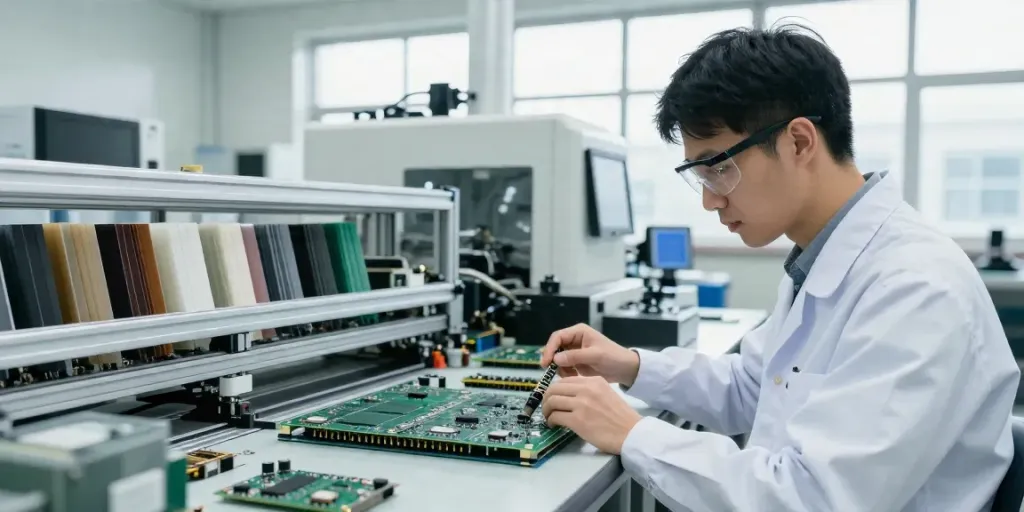
High-frequency printed circuit boards (PCBs) are specialized circuit boards designed to operate at elevated frequencies, typically above 1 GHz. These boards are essential in various high-tech applications, including telecommunications, radar systems, and satellite technology. As the demand for faster and more efficient electronic devices grows, the role of high frequency PCB manufacturer has become increasingly critical. This article delves into the key aspects of high-frequency PCBs, providing insights into their applications, materials, and the best practices for selecting manufacturers.
What is a High-Frequency PCB?
A high-frequency PCB is specifically engineered to support high-speed signals and minimize signal loss. These PCBs operate in the radio frequency (RF) and microwave frequency ranges, making them crucial for devices that transmit and receive signals in real-time. The construction of these boards incorporates specialized materials and design techniques to ensure optimal performance. Key characteristics of high-frequency PCBs include controlled impedance, low signal loss, and thermal stability.
Key Applications in Modern Electronics
High-frequency PCBs are utilized across various industries due to their unique capabilities. Some prominent applications include:
- Telecommunications: Essential for mobile phones, base stations, and antennas.
- Medical Devices: Used in imaging systems, diagnostic equipment, and RF therapies.
- Aerospace and Defense: Critical in radar, GPS systems, and secure communications.
- Consumer Electronics: Found in high-quality audio and video equipment, as well as smart devices.
Materials Used for High-Frequency PCB Manufacturing
The materials selected for high-frequency PCBs significantly impact their performance. Common materials include:
- PTFE (Polytetrafluoroethylene): Excellent for low loss and high thermal stability.
- Rogers Laminates: Known for their superior dielectric properties and thermal conductivity.
- Ceramic materials: Offering high reliability for extreme conditions.
Choosing the Right High-Frequency PCB Manufacturer
Finding a reliable high-frequency PCB manufacturer is essential for ensuring quality and performance in your projects. Here are key factors to consider when making your selection:
Evaluating Manufacturer Experience and Capacity
Understanding the manufacturer’s experience in high-frequency PCB production is crucial. Look for companies with a proven track record, technical expertise, and the ability to handle large volumes while maintaining quality. It’s also important to assess their production capacity concerning quick turnarounds for urgent projects.
Understanding Quality Assurance Protocols
A high-quality manufacturer will have rigorous quality assurance protocols in place. This includes testing procedures that comply with industry standards such as IPC-6012 (for rigid PCBs) and IPC-6013 (for flexible PCBs). Ensure the manufacturer provides documentation and certifications that confirm their commitment to quality.
Customer Support and Service Metrics
Effective communication and support from your PCB manufacturer can streamline the design and manufacturing process. Research customer reviews and testimonials to gauge their customer service standards. Metrics such as on-time delivery rates and responsiveness to inquiries are indicators of a manufacturer’s reliability.
Designing Effective High-Frequency PCBs
Designing a high-frequency PCB requires careful consideration of several factors to ensure functionality and reliability. Adopting best practices can help mitigate common issues associated with RF designs.
Best Practices in RF PCB Design
During the design phase, several best practices should be implemented, including:
- Controlled Impedance: Design traces with uniform width to maintain consistent impedance.
- Minimizing Parasitics: Keep the layout compact and avoid unnecessary vias and components.
- Grounding Techniques: Use ground planes to reduce noise and enhance signal integrity.
Common Design Challenges and Solutions
Designing high-frequency PCBs comes with its unique set of challenges, such as signal integrity issues and electromagnetic interference (EMI). Solutions may include advanced simulation tools to predict performance and iterative testing to refine designs before mass production.
Testing and Prototyping Considerations
Prototyping is a crucial step in PCB development. It allows for real-world testing of the design before full-scale production. Ensure that your manufacturer offers rapid prototyping services and can conduct thorough testing to validate performance against specifications.
Trends and Innovations in High-Frequency PCB Technology
The high-frequency PCB sector is continually evolving, driven by technological advancements and market demands. Staying abreast of these trends is essential for manufacturers and designers alike.
Emerging Technologies in PCB Manufacturing
Innovations such as additive manufacturing and advanced materials are reshaping PCB production. Additive manufacturing allows for more complex geometries and materials to be used, enhancing performance while reducing waste. Furthermore, advancements in thermal management technologies improve the reliability of high-frequency applications.
Environmental Considerations and Sustainability
As the industry pivots towards greater sustainability, manufacturers are seeking eco-friendly materials and processes. This includes reducing hazardous substances in production and focusing on recyclable materials, contributing to a greener electronics landscape.
Future Trends for 2026 and Beyond
Looking ahead, the high-frequency PCB market is expected to expand due to the growth of 5G technologies and the Internet of Things (IoT). This surge will require innovative solutions to meet the higher frequencies and bandwidth demands of new applications.
Case Studies and Practical Applications
Real-world case studies provide valuable insights into the practical applications of high-frequency PCBs across various industries. Analyzing these examples can inform future projects and design decisions.
Success Stories from Leading Industries
Numerous companies have successfully integrated high-frequency PCBs into their products. For instance, aerospace firms utilize these boards for precise navigation systems, showcasing the reliability and performance necessary for critical applications.
Measuring Performance Metrics
When evaluating the effectiveness of high-frequency PCBs, it is essential to track performance metrics such as signal integrity, insertion loss, and return loss. These metrics provide insight into how well the PCB performs under operational conditions, guiding future design improvements.
Actionable Insights for Implementation
For engineers and decision-makers, understanding the nuances of high-frequency PCB manufacturing can lead to better product outcomes. It’s vital to collaborate closely with manufacturers during the design phase to ensure all specifications are met and performance is optimized.
What are the benefits of high-frequency PCBs?
High-frequency PCBs offer numerous advantages, including enhanced signal integrity, reduced electromagnetic interference, and improved thermal management, making them indispensable in modern electronic devices.
How do I select a reliable PCB manufacturer?
Assess a manufacturer’s experience, review their quality assurance practices, and consider their customer service track record to ensure you partner with a trustworthy supplier.
What materials are commonly used in high-frequency PCBs?
Materials such as PTFE, Rogers laminates, and ceramics are frequently used in high-frequency PCBs for their low loss and high thermal stability characteristics.
What design challenges should I be aware of?
Common challenges include signal integrity, EMI mitigation, and managing parasitic capacitance, all of which require careful consideration during the design process.
What is the typical lead time for PCB production?
Lead times vary, but many manufacturers offer rapid prototyping and production services that can reduce timeframes significantly, especially for urgent projects.